Danger does not always announce itself with smoke, sparks or a loud electrical failure.
Sometimes, potential problems develop quietly over time.
That is one reason something as ordinary as leaving a phone charger plugged into the wall can deserve a little more attention. An unused charger may appear completely harmless, especially when there is no phone or other device connected to it.
In most cases, a modern, properly manufactured charger left plugged into a functioning outlet is unlikely to cause a problem.
However, that does not mean every charger should remain connected indefinitely.
The quality and condition of the charger, the outlet, the electrical system and the surrounding environment all matter.
When a charger is connected to an outlet, it may continue to consume a small amount of electricity even when it is not actively charging a device. This is sometimes called standby or idle power consumption.
For a modern charger, that amount is generally very small.
The bigger concern is often not the electricity being consumed but the condition of the equipment.
Electrical components can deteriorate with age, heat, physical damage and repeated use. A charger that was perfectly safe when new may eventually develop damaged insulation, cracked housing, bent connections or other problems.
That is why the condition of the charger matters more than simply whether it happens to be plugged in.
A charger that becomes unusually hot, produces a burning smell, makes strange noises or shows visible damage should not be ignored.
Heat is particularly worth paying attention to.
Electronic components naturally generate some heat while operating, and chargers can become warm during use. A small amount of warmth is not necessarily a warning sign.
However, excessive or unusual heat can indicate a problem.
Poor-quality components, internal damage, inadequate ventilation or an electrical fault can contribute to overheating. If a charger is covered by clothing, bedding or other materials, heat may also have difficulty escaping.
That is why chargers should generally be kept in open, ventilated areas rather than underneath pillows, blankets or other insulating materials.
The outlet itself can also play a role.
A loose electrical outlet may fail to hold a plug securely. A damaged outlet, discoloration around the receptacle or signs of scorching can indicate an electrical problem that should be evaluated rather than ignored.
Repeatedly forcing a plug into a damaged outlet can make matters worse.
Another issue is physical strain.
Chargers are often left in convenient locations where people, children or pets can accidentally pull on them. A cord stretched across a walkway can be stepped on, pulled or bent repeatedly.
Pets may also chew electrical cords, creating a particularly serious hazard.
Damage to the outer insulation can expose wires or compromise the cable’s protection.
Even if the charger continues to work, visible damage is a reason to replace it rather than continuing to use it.
Children can present another concern.
A charger plugged into a wall may be within reach of a curious child, particularly if it is installed near the floor. Loose cords can also become tempting objects to pull or play with.
Keeping electrical equipment out of reach when possible is a simple way to reduce unnecessary risks.
Power surges are another consideration.
Electrical surges can occur for a variety of reasons, including problems with the power grid or nearby lightning activity. Sensitive electronics can be affected by sudden changes in electrical voltage.
A quality charger that meets appropriate safety standards is designed to provide protection against certain electrical problems, but no consumer electronic device is immune to every possible fault.
Using reputable chargers and replacing damaged equipment can therefore be a sensible precaution.
One of the biggest mistakes people make is continuing to use chargers simply because they still appear to work.
Functionality does not necessarily mean that an electrical product is in perfect condition.
A cable may charge a phone while its insulation is deteriorating.
A power adapter may still deliver electricity despite internal damage.
A plug may still fit into an outlet even if the connection has become loose.
That is why visual inspection matters.
Before using a charger, look for cracked plastic, exposed wires, bent pins, melted areas, discoloration or other obvious damage.
If anything appears abnormal, replacing the charger is generally safer than attempting a homemade repair.
The temptation to purchase extremely inexpensive replacement chargers can also create another problem.
Price alone does not determine safety, but consumers should be cautious about products from unknown manufacturers or sellers that do not provide clear information about compliance with relevant safety standards.
A charger is a relatively inexpensive piece of equipment compared with the potential consequences of an electrical failure.
Buying a reputable replacement is therefore a sensible investment.
There is also a simple habit that can reduce unnecessary exposure to potential problems: unplug chargers when they are not needed.
This is especially useful for older chargers, visibly worn equipment or devices that do not need to remain connected continuously.
Unplugging also eliminates standby power consumption.
Although the energy used by one unused charger is generally tiny, many electronic devices throughout a home can collectively consume electricity while sitting idle.
The energy savings from unplugging one phone charger are unlikely to transform a household’s electricity bill.
Still, disconnecting unnecessary equipment can become part of a broader habit of managing energy use.
There is no need to become afraid of every charger in the house.
Modern electrical equipment is generally designed with safety in mind, and millions of people use chargers every day without experiencing problems.
The important point is to distinguish ordinary use from unsafe conditions.
A new, undamaged charger connected to a sound outlet is very different from an old charger with exposed wiring plugged into a loose or damaged receptacle.
Context matters.
So does maintenance.
A few simple habits can make a meaningful difference.
Keep chargers away from water and excessive heat.
Do not place them beneath bedding or other materials that can trap heat.
Avoid using cords that have visible damage.
Keep cables away from children and pets when possible.
Do not overload outlets or use damaged electrical receptacles.
Replace chargers that show signs of melting, burning, cracking or unusual overheating.
And when a charger is no longer needed, unplugging it is a simple precaution.
It is also important to remember that electrical fires can have many different causes. A plugged-in charger is not automatically dangerous, and it would be misleading to suggest that every unused charger is a hidden fire waiting to happen.
The greater lesson is about paying attention to small warning signs.
Electrical problems can sometimes develop gradually. Equipment ages, cords get damaged, outlets loosen and components wear out.
Because these changes can happen quietly, routine inspection is one of the easiest ways to catch problems before they become more serious.
If an outlet sparks, smells like burning, becomes hot, or shows signs of scorching, stop using it and have the electrical system inspected by a qualified professional.
Likewise, if a charger repeatedly becomes extremely hot or behaves unusually, disconnect it and replace it rather than taking chances.
A few seconds of attention can be far more valuable than trying to save a few dollars on replacement equipment.
Ultimately, the safest approach is not panic.
It is awareness.
Chargers are everyday objects that most people rarely think about once they have been plugged in. But like any electrical equipment, they deserve reasonable care.
Unplugging unused chargers, keeping cords in good condition and paying attention to warning signs are simple habits that can help reduce avoidable risks.
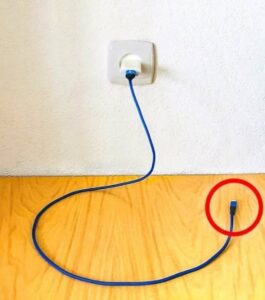
The next time you see an empty charger sitting in the wall, there is no reason to panic.
Just take a moment to check its condition.
If it looks damaged, replace it.
If the outlet appears faulty, stop using it and have it checked.