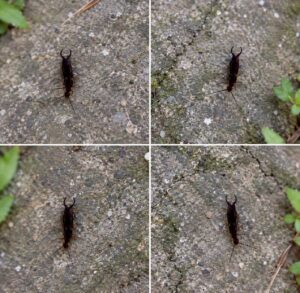
They may look harmless at first—tiny gray or brown moths fluttering around your kitchen, pantry, or cupboards. But seeing even a few of them can be a warning that something is hiding nearby.
Pantry moths, also called Indianmeal moths, are common household pests that can infest a wide variety of dry foods. They often enter homes inside packages of flour, rice, cereal, pasta, nuts, dried fruit, grains, pet food, and other stored products. Sometimes, all it takes is one contaminated package to start an infestation.
The adult moths are usually the most noticeable sign. You may see them flying around your kitchen, especially in the evening or at night. However, the adult moths themselves are not the main source of the problem. Their larvae are responsible for damaging stored food.
Female moths lay eggs in or near suitable food sources. After the eggs hatch, the larvae begin feeding. They can spread from one package to another, sometimes traveling surprisingly far from the original source. This is why simply killing the moths you see flying around may not solve the problem.
One of the most recognizable signs is fine, silk-like webbing inside food packaging. You may notice strands around cereal, flour, grains, nuts, or other dry ingredients. Food may also appear clumped together, and small pale larvae may be visible.
Another warning sign is finding tiny cocoons or larvae in the corners of cupboards, along shelf edges, or around cracks and gaps. Pantry moth larvae can leave their food source when they are ready to pupate, meaning you may discover them in places that appear completely unrelated to your stored food.
If you notice these signs, don’t panic. Pantry moths are unpleasant, but they can usually be controlled with careful cleaning and organization.
Start by inspecting every dry-food package in the affected area.
Do not limit your inspection to the package where you first noticed a problem. Check flour, rice, pasta, cereal, baking ingredients, nuts, seeds, dried fruit, spices, pet food, and other products that have been stored for a long time.
Look closely for webbing, larvae, unusual clumping, holes in packaging, or anything that appears suspicious. Remember that an unopened package is not necessarily safe. Pantry moth larvae can sometimes get through thin packaging or enter through tiny openings.
Any food showing clear signs of infestation should be discarded. Place the affected food in a sealed bag before taking it outside so that larvae or eggs don’t spread around your home.
Next, empty the affected cupboards completely.
Vacuum shelves, corners, cracks, screw holes, and other hard-to-reach areas. Pay particular attention to the edges and joints of cabinets, where eggs or pupae may be difficult to notice.
After vacuuming, clean the shelves thoroughly. Removing crumbs and food residue is important because even tiny amounts of food can provide a potential source for pests.
Don’t forget about nearby areas.
If pantry moths have been present for some time, inspect surrounding cupboards and storage areas as well. Check pet-food containers, forgotten bags of grains, baking supplies, and anything else containing dry ingredients.
Once everything has been cleaned, consider transferring dry foods into airtight containers.
Glass, metal, or sturdy plastic containers with secure lids can make it much more difficult for pantry moths to spread between foods. They also make future inspections much easier because you can see the contents clearly.
It’s also a good idea to avoid buying more dry goods than you can reasonably use. Older packages sitting undisturbed at the back of a cupboard give pests more opportunity to go unnoticed.
When bringing new groceries home, inspect packages before storing them. Look for damaged packaging, webbing, unusual clumps, or insects. If something looks suspicious, keep it away from your other food until you can determine whether it is contaminated.
Pantry moth traps can sometimes help monitor adult moth activity. However, traps alone usually don’t eliminate an infestation because they primarily target adult males rather than the eggs and larvae hidden in food or around cupboards.
The key is finding and removing the source.
If you continue seeing adult moths after cleaning and inspecting your food, don’t assume the problem has disappeared. New adults may continue emerging from eggs, larvae, or pupae that were already present.
Repeat inspections and cleaning can therefore be important.
For a severe or persistent infestation, especially one that continues despite thorough cleaning and removal of contaminated food, consider contacting a qualified pest-control professional. They can help identify hidden sources and determine whether additional treatment is appropriate.
The good news is that pantry moths are not a reason to throw away your entire kitchen or become frightened by every insect you see. The most important response is simply to act carefully and systematically.
Inspect your food.
Remove anything contaminated.
Clean the storage areas.
Seal your remaining dry goods.
Then continue checking the pantry for several weeks.
What looks like a harmless little moth flying near your kitchen light can be an early warning that something is happening inside your cupboards. The sooner you investigate, the easier it generally is to stop the problem from spreading.
So the next time you see a small moth fluttering around your pantry, don’t simply swat it and forget about it.
Open the cupboard.
Check the packages.
Look for the webbing.
Because the moth you see may be only the visible part of a problem that has already started somewhere you can’t see.