Silent Trap Beside Your Car: A Simple Warning Every Driver Should Know
Imagine getting into your car after a long day, starting the engine, and slowly pulling away from your parking space. Suddenly, you hear a loud crunching sound near one of your tires. Your first instinct might be to stop, open the door, and check whether something is wrong.
But what if that unexpected noise is being used to distract you?
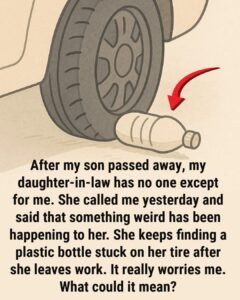
Stories about a plastic bottle placed near a car tire have circulated online as a potential vehicle theft tactic. The idea is simple: a bottle makes a noticeable crunching sound when a tire rolls over it, prompting the driver to stop and investigate. If someone nearby is waiting for an opportunity, they might try to take advantage of the driver’s distraction.
Although this specific scenario should not be treated as proof that a crime is taking place, it highlights an important safety principle: never let an unexpected noise distract you from securing your vehicle and paying attention to your surroundings.
How the Plastic Bottle Trick Could Work
The reported method relies on surprise rather than sophisticated equipment.
A person may place an empty plastic bottle close to a vehicle’s tire, particularly in a parking lot or another location where drivers might not notice it. When the driver begins moving, the tire may crush the bottle, producing a sudden popping or crunching noise.
The driver might immediately assume that the tire is damaged or that something has become trapped underneath the car.
That reaction is understandable. Nobody wants to damage their vehicle, especially when an unusual sound appears without warning.
However, stepping out without first considering the surroundings can create unnecessary risks. A distracted driver might leave a door unlocked, leave the engine running, or keep the keys inside while investigating.
These mistakes can make a vehicle easier to steal, regardless of whether the original noise was deliberate.
It is important to remember that a plastic bottle near a tire does not automatically indicate criminal activity. Litter is common in parking areas, and ordinary objects can make surprising noises when crushed. The sensible response is caution, not panic.
Why Drivers Can Be Vulnerable to Distractions
Most people follow familiar routines when using their cars. They unlock the doors, put their belongings inside, start the engine, and prepare to leave.
Because these actions are automatic, an unexpected event can quickly redirect their attention.
A strange noise, a person approaching the window, or someone claiming that something is wrong with the vehicle may cause a driver to react before thinking through the situation.
This is especially concerning in isolated parking areas, poorly lit streets, or unfamiliar locations.
A person who is focused entirely on a suspected mechanical problem may overlook what is happening nearby. They might fail to notice someone approaching from behind or leave valuables visible on the passenger seat.
The goal is not to become suspicious of everyone. It is to develop habits that make your vehicle more secure, even when something unexpected happens.
What to Do If You Hear a Strange Noise
If your car makes an unfamiliar sound while you are pulling away, resist the urge to jump out immediately.
Instead, follow these practical precautions.
1. Stop somewhere safe.
If you hear a sudden crunch, scrape, or unusual impact, slow down carefully. If the vehicle is still moving safely, choose a well-lit location or a busy area where you can assess the situation without exposing yourself to unnecessary danger.
If you suspect a serious mechanical problem, stop as soon as it is safe to do so.
2. Check your surroundings before opening the door.
Look around using your mirrors and windows. Pay attention to nearby people, other vehicles, and anything that seems out of place.
If someone is behaving suspiciously or you feel threatened, remain inside with the doors locked and contact local emergency services or security personnel when appropriate.
3. Secure the vehicle before inspecting it.
If you decide to leave the car to investigate, switch off the engine, take the keys with you, and lock the doors if you will be moving away from the vehicle. Never leave the engine running simply because you expect to be outside for only a few seconds.
Where possible, ask a trusted person to remain nearby while you inspect the vehicle.
4. Do not ignore genuine warning signs.
Caution does not mean pretending nothing is wrong. A sudden bang, persistent scraping, a flat tire, or a warning light may indicate a real mechanical issue.
If the car feels unstable, steering becomes difficult, or a tire appears damaged, do not continue driving simply to avoid getting out. Stop safely and arrange roadside assistance if necessary.
5. Avoid confrontations.
If you discover an object near a tire or notice someone acting suspiciously, you do not need to confront that person. Your priority should be your safety, not determining whether someone intended to cause trouble.
If you believe an attempted theft has occurred, move to a safe location and report the incident to the appropriate authorities.
Small Habits That Can Protect Your Car
Preventing vehicle theft often begins with simple, consistent routines.
-
Lock your doors promptly. Get into the habit of locking the vehicle as soon as you are inside, particularly in unfamiliar parking areas.
-
Keep your keys with you. Never leave them in the ignition or inside an unattended vehicle.
-
Hide valuables from view. Bags, laptops, wallets, and phones can attract unwanted attention. Take them with you or secure them before arriving at your destination.
-
Choose parking spaces carefully. Whenever possible, park in well-lit, visible areas with regular foot traffic.
-
Check your surroundings. Before entering or leaving your car, look for anything unusual without becoming distracted by every harmless object.
-
Keep your phone accessible. Make sure you can contact someone for assistance if you feel unsafe.
-
Trust your judgment. If a situation feels threatening, prioritize getting to safety rather than investigating it yourself.
These habits are useful regardless of whether the plastic bottle story describes a genuine attempt at theft in a particular case.
Should You Be Worried Every Time You See a Plastic Bottle?
Absolutely not.
A discarded bottle beside a tire is not, by itself, evidence of a trap. There is no need to panic, abandon your vehicle, or assume that someone is targeting you.
The more useful lesson is that unexpected situations deserve a calm, measured response.
If you notice a bottle near your car before driving away, you can check the area before getting in. If you hear a noise while moving, stop safely and assess the situation. If you see someone approaching your vehicle in a way that makes you uncomfortable, keep the doors locked and seek assistance.
You do not need to live in fear to be careful.
The Most Important Lesson
Vehicle safety is not only about alarms, locks, cameras, or expensive security systems. It is also about the small decisions drivers make every day.
A few seconds spent checking your surroundings, locking your doors, and keeping your keys with you can reduce opportunities for theft.
The plastic bottle story is a reminder to remain aware, but it should not be mistaken for proof that every unusual noise or suspicious-looking object is part of a criminal scheme.