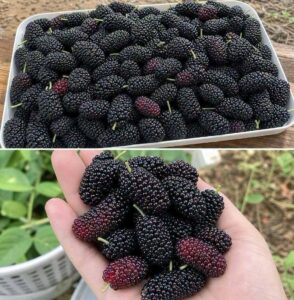
At first glance, mulberries and blackberries can look almost identical. Both can develop a deep purple or nearly black color when ripe, and both grow in clusters of small, rounded sections that give them a distinctive appearance. If you’ve ever spotted a dark berry growing on a tree or found an unfamiliar fruit at a farmers’ market, you might have wondered whether it was a blackberry or something else entirely.
The answer could be mulberries, a delicious fruit with its own unique shape, flavor, growing habits, and nutritional qualities.
Although the two fruits share some similarities, there are several easy ways to tell them apart. Learning what to look for can help you recognize mulberries, understand their nutritional value, and discover some simple ways to enjoy them.
What Exactly Are Mulberries?
Mulberries are edible fruits produced by trees belonging to the genus Morus. These trees grow in many parts of the world and have a long history of cultivation, particularly in regions where their leaves are used to feed silkworms.
Unlike blackberries, which grow on brambles, mulberries grow on trees. Depending on the species and variety, the fruit may be white, red, purple, or almost black when ripe.
The most familiar dark varieties are often mistaken for blackberries because of their similar color and clustered structure. However, mulberries are usually longer and more cylindrical, with many tiny sections arranged along an elongated central axis.
Their soft texture and sweet flavor make them popular for fresh eating, cooking, and preserving.
Mulberry trees can also produce generous crops, sometimes leaving ripe fruit scattered beneath their branches during the growing season.
Mulberries vs. Blackberries: How Can You Tell the Difference?
Although these fruits may appear similar in photographs, a few important characteristics can help you distinguish them.
1. Their Shape
One of the easiest differences to notice is the overall shape.
Blackberries are generally rounded or broadly oval, with clusters of small, rounded sections forming a plump fruit.
Mulberries are often longer and more elongated. Their individual sections can appear arranged along a narrow central structure, giving the berry a slightly stretched appearance.
Some varieties overlap in shape, so this feature is helpful but not definitive on its own.
2. Where They Grow
The plants themselves offer one of the clearest distinctions.
Blackberries grow on brambles, which are trailing, arching, or upright shrubs. Many varieties have thorny stems, although thornless cultivated varieties are also common.
Mulberries grow on trees with woody trunks and branches.
If you see dark berries hanging from a tree rather than growing on a bramble, mulberries are a possibility. However, you should identify the plant carefully before eating any unfamiliar wild fruit.
3. Their Taste
Both fruits can be sweet and juicy, but their flavors often differ.
Blackberries typically have a sweet-tart flavor, with some varieties retaining noticeable acidity even when ripe.
Mulberries are often sweeter and milder, sometimes with a honey-like quality. Their flavor varies according to the species, variety, and degree of ripeness.
White mulberries can be particularly mild and sweet, while some red and dark varieties offer a more pronounced fruity flavor.
Neither fruit has a single universal taste, and growing conditions can influence sweetness.
4. Their Texture
Blackberries usually feel relatively firm when freshly picked, although ripe fruit can become soft and delicate.
Mulberries are often exceptionally soft when fully ripe. Their fragile structure means they can be easily crushed during harvesting, transport, and storage.
This softness is one reason fresh mulberries may be less common in supermarkets than blackberries.
If you find freshly harvested mulberries, handle them gently and refrigerate them promptly.
5. Their Stems and Plant Structure
Blackberries usually separate from their plant with a hollow center, leaving the central receptacle behind on the plant.
Mulberries have a different fruit structure and may retain a small stem when picked. Their appearance varies with the species and harvesting method.
When identifying unfamiliar berries, the fruit’s structure can offer useful clues, but it should be considered alongside the plant’s leaves, growth habit, and other characteristics.
What Nutrients Do Mulberries Provide?
Mulberries are more than a sweet seasonal treat. They provide several nutrients that contribute to a balanced diet.
Their nutritional composition varies by species, variety, ripeness, and whether the fruit is fresh or dried.
Vitamin C
Fresh mulberries contain vitamin C, a nutrient that supports normal immune function, collagen formation, and wound healing. Vitamin C also helps the body absorb iron from plant-based foods.
Eating mulberries alongside other fruits and vegetables can help contribute to your daily vitamin C intake.
Dietary Fiber
Mulberries provide dietary fiber, which supports normal digestion and can contribute to regular bowel movements.
Fiber also helps make meals more satisfying and supports a healthy overall eating pattern.
The amount you receive depends on the portion size and whether you eat the fruit fresh or dried.
Potassium
Mulberries contain potassium, an essential mineral involved in normal muscle contraction, nerve signaling, and fluid balance.
Potassium is found in many fruits and vegetables, making mulberries one of several useful options for adding variety to your diet.
Plant Compounds
Dark mulberries contain anthocyanins, natural pigments responsible for many red, purple, and blue colors in plants.
These compounds have antioxidant activity and are studied for their possible roles in human health. However, laboratory findings do not automatically translate into proven health benefits from eating a particular fruit.
Mulberries also contain other plant compounds, including phenolic substances, that contribute to their color and chemical composition.
The most sensible approach is to enjoy mulberries as part of a varied diet rather than treating them as a medicine.
Are Mulberries Good for Your Health?
Mulberries can contribute to a nutritious eating pattern, particularly when they replace desserts or snacks that contain large amounts of added sugar.
Their fiber, vitamins, minerals, and plant compounds make them a useful addition to meals and snacks.
However, no single fruit provides everything the body needs, and mulberries should not be viewed as a treatment for diabetes, heart disease, or other medical conditions.
Fresh mulberries also contain natural sugars. People who need to monitor their carbohydrate intake can include them in appropriate portions according to their individual dietary needs.
Dried mulberries deserve particular attention because removing water concentrates their sugars and calories by weight. A small handful of dried fruit can therefore provide considerably more energy than the same weight of fresh fruit.
For most people, the simplest approach is to enjoy an appropriate portion alongside other whole fruits, vegetables, and nutritious foods.
How to Eat Fresh Mulberries
One of the best things about mulberries is their versatility. Their natural sweetness works well in both simple snacks and more elaborate recipes.
Here are some easy ways to enjoy them:
- Eat them fresh: Rinse gently under cool running water and enjoy them on their own.
- Add them to breakfast: Sprinkle mulberries over oatmeal, cereal, or yogurt.
- Blend a smoothie: Combine them with bananas, yogurt, and milk or a plant-based alternative.
- Make a fruit salad: Mix mulberries with strawberries, blueberries, and other seasonal fruits.
- Bake with them: Add them to muffins, cakes, or homemade fruit bread.
- Prepare a sauce: Simmer them gently with a little water and use the result over pancakes or desserts.
- Make jam: Cook the fruit with sugar and an appropriate amount of acidity, following a reliable preserving recipe.
Because ripe mulberries are delicate, wash only the quantity you intend to use and avoid soaking them for long periods.
Discard fruit that is moldy, fermented, or otherwise spoiled.
Why Are Mulberries Sometimes Difficult to Find?
Unlike blackberries, which are widely cultivated for commercial sale, mulberries can be more challenging to transport.
Their soft skin and fragile flesh mean that fully ripe fruit can bruise or break apart easily. They also tend to have a shorter fresh-storage life than firmer berries.
Mulberry trees may produce abundant fruit in home gardens, parks, and suitable growing regions, but the berries do not always travel well from the tree to the store.
For this reason, you may encounter them more often in home gardens, local markets, or dried-fruit products than in the fresh produce section of a supermarket.
If you have access to a mature mulberry tree, harvesting ripe fruit can be a rewarding way to enjoy it at its freshest. Make sure the tree has been correctly identified and that the fruit is collected from a clean location.
Can You Grow Your Own Mulberries?
Mulberry trees are grown in many temperate and subtropical regions, although suitable species and varieties depend on the local climate.
Some varieties grow into substantial trees, so it is important to consider the available space before planting one in a small garden.
Mulberries generally need suitable sunlight, well-drained soil, and enough room for their mature size. Different species have different requirements, so choosing a variety suited to your region is important.
Another practical consideration is fallen fruit. Ripe mulberries can stain paving, outdoor furniture, and clothing, particularly when a tree produces a heavy crop.
If you want to grow mulberries near a patio or driveway, consider where the fruit will fall and how easily the area can be cleaned.
With the right variety and growing conditions, a mulberry tree can provide fruit for many seasons.
The Bottom Line: A Small Difference Worth Knowing
Mulberries and blackberries may look similar, especially when both are ripe and dark in color. But their plants, fruit shapes, textures, and flavors offer useful clues for telling them apart.
Mulberries grow on trees and are often elongated, soft, and sweet. Blackberries grow on brambles and are generally rounder, with a characteristic sweet-tart flavor.
Both fruits provide valuable nutrients and can fit comfortably into a balanced diet.
The next time you encounter a cluster of tiny, dark fruits, take a closer look at the shape and the plant they grow on. You may discover that what looked like an ordinary blackberry is actually a mulberry.
And if you find fresh mulberries in season, consider giving them a try. Their delicate texture and natural sweetness make them a delicious addition to breakfasts, desserts, and simple everyday snacks.