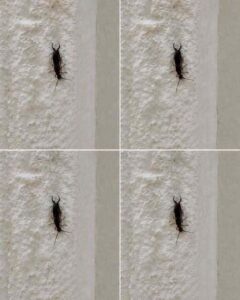
Finding an unfamiliar insect inside your home can be surprising, especially when it appears unexpectedly in your kitchen, bedroom, bathroom, or living room. Some insects look frightening because of their unusual shapes, long legs, strange colors, or rapid movements. However, seeing a single bug does not automatically mean your home is dirty or infested. In many cases, insects simply wander indoors while searching for food, water, warmth, or shelter.
Before reaching for insecticide or attempting to remove the creature, take a moment to observe it carefully. Identifying the insect is the first step toward understanding why it appeared, whether it poses any risk, and what you should do next.
Why Do Insects Enter Our Homes?
Insects enter houses for several reasons, and many of them have little to do with cleanliness. Weather changes, seasonal temperatures, moisture, and the availability of food can all influence insect activity.
During colder months, certain insects seek warmer places to survive. When temperatures rise, others become more active and may enter through open windows, doors, vents, or small gaps around walls and foundations. Heavy rain can also drive insects away from flooded outdoor hiding places, encouraging them to seek shelter indoors.
Food is another common attraction. Crumbs, uncovered fruit, sugary spills, pet food, and improperly stored pantry items can attract ants, flies, beetles, and other insects. Even a small amount of accessible food may encourage unwanted visitors to return.
Moisture can be equally important. Bathrooms, laundry rooms, kitchens, basements, and areas beneath leaking pipes provide favorable conditions for insects that prefer damp environments.
Understanding these causes can help you prevent future visits without immediately resorting to chemical treatments.
The Importance of Identifying the Insect
Not every insect found indoors is dangerous, and not every insect requires professional pest control. Some are harmless visitors that can be removed easily, while others may indicate a developing pest problem.
Pay attention to the insect’s size, color, body shape, number of legs, wings, and movement. Notice where you found it and whether you have seen similar insects before. These details can help narrow down its identity.
For example, ants are generally recognizable by their narrow waists and segmented bodies. Houseflies have one pair of functional wings and are often attracted to food waste. Silverfish have elongated, flattened bodies and move quickly across surfaces, particularly in humid areas.
Cockroaches are usually more concerning when they appear repeatedly, especially if you also notice droppings, egg cases, or insects hiding in dark spaces. Carpet beetles may be associated with damage to natural fibers, while certain pantry beetles can contaminate stored food.
If you cannot identify an insect confidently, take a clear photograph from a safe distance. Good lighting and a close view of the insect’s body can help with identification. Avoid handling unfamiliar insects with your bare hands, particularly if you suspect they may bite, sting, or cause skin irritation.
Does One Insect Mean You Have an Infestation?
One of the most common concerns homeowners have is whether a single insect means a much larger problem is hiding nearby.
The answer depends on the species and the circumstances.
A lone moth near a window, for instance, may simply have flown inside from outdoors. A single beetle might have entered through an open door. In these situations, removing the insect and checking possible entry points may be sufficient.
However, repeatedly seeing the same type of insect can indicate a more persistent issue. Certain pests reproduce indoors, hide in small spaces, and remain unnoticed until their numbers increase.
Look for additional warning signs, including repeated sightings, droppings, shed skins, damaged fabrics, unusual odors, or unexplained damage to food packaging. Small insects appearing around drains, cupboards, or stored products may also deserve closer investigation.
Bedbugs require particular attention because even a limited number can establish a larger problem. If you suspect bedbugs, look for other evidence around mattress seams, bed frames, and nearby furniture rather than relying on a single insect’s appearance.
Remember that insects can sometimes be mistaken for one another. Confirming the identification before taking major action can save time, money, and unnecessary worry.
What Should You Do When You Find an Unfamiliar Bug?
The safest response begins with observation rather than panic.
First, keep children and pets away until you know what the insect is. Do not touch or crush an unfamiliar specimen with your bare hands. If it might be a stinging insect or a species capable of causing irritation, maintain a safe distance.
Next, take a photograph if possible. Capture enough detail to show the insect’s body shape, coloring, and distinguishing features. If it is safe to do so, note the location where you discovered it.
If the insect appears harmless and you can identify it confidently, you may be able to remove it using a container and a piece of stiff paper. Alternatively, use an appropriate household method recommended for that particular species.
Avoid spraying insecticides indiscriminately. Unnecessary pesticide use can expose household members and pets to chemicals without addressing the underlying cause of the problem. Always follow product instructions and use treatments only when appropriate.
Finally, inspect the surrounding area. Look for food debris, standing water, damp materials, open packaging, or gaps through which insects might enter.
Simple Ways to Keep Insects Out
Preventing insects from entering your home is often easier than dealing with a recurring pest problem.
Keep food in sealed containers, clean spills promptly, and empty rubbish bins regularly. Avoid leaving dirty dishes in the sink overnight, especially when food residue remains on them.
Repair leaking taps and pipes, improve ventilation in damp rooms, and address persistent condensation. Insects that thrive in moist environments may become less attracted to areas once excess moisture is eliminated.
Check window screens, door seals, and gaps around pipes. Sealing suitable entry points can reduce the number of insects that find their way inside.
Vacuum regularly, particularly around corners, beneath furniture, and along skirting boards. If you store clothes, blankets, or other textiles for long periods, keep them clean and use suitable storage containers.
For outdoor prevention, keep vegetation from pressing directly against the house and avoid accumulating unnecessary debris beside foundations. These steps can reduce hiding places for certain pests.
When Should You Call a Pest Control Professional?
Professional assistance may be appropriate when insects appear repeatedly, their numbers increase, or you discover signs of property damage. It is also advisable when you cannot identify a potentially dangerous insect or when a suspected infestation persists despite reasonable preventive measures.
Some pests require specialized treatment because they hide inside walls, reproduce rapidly, or are difficult to eliminate using ordinary household methods. A qualified professional can identify the species, assess the extent of the problem, and recommend a suitable treatment plan.
If someone experiences a severe allergic reaction after an insect sting or bite, seek emergency medical assistance. Symptoms such as difficulty breathing, swelling of the tongue or throat, or faintness require urgent attention.
For less serious skin reactions, avoid scratching the affected area and seek medical advice if symptoms worsen or persist.
The Bottom Line
Finding an unfamiliar insect in your home does not necessarily mean something is wrong. Many insects enter buildings accidentally, particularly when outdoor conditions change or when they find accessible food, moisture, or shelter.
The most useful response is to remain calm, identify the insect, inspect the surrounding area, and take appropriate action based on the evidence. A single harmless visitor may require nothing more than safe removal, while repeated sightings or clear signs of damage may indicate that further investigation is necessary.
Rather than assuming the worst, use the discovery as an opportunity to check your home’s cleanliness, moisture levels, and possible entry points.
Have you recently discovered an unusual insect in your home? Its appearance, size, color, and location can provide valuable clues. Identifying it correctly is the best way to determine whether it is harmless, a common household pest, or something that deserves professional attention.