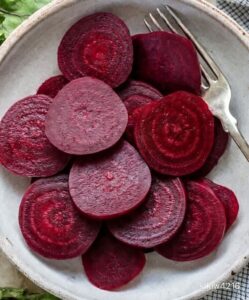
Beetroot has long existed quietly on the edges of the modern diet—often overlooked, sometimes misunderstood, and occasionally dismissed as just another earthy vegetable. Yet in recent years, it has steadily gained attention among nutrition scientists, doctors, and performance experts for a reason that goes far beyond its striking color. Beneath its deep red and purple tones lies a remarkably sophisticated internal chemistry that interacts with the human body in measurable, meaningful ways.
At the center of beetroot’s reputation is its role in supporting the cardiovascular system. This effect is primarily driven by compounds known as dietary nitrates. When consumed, these nitrates enter a fascinating biological pathway involving the mouth, saliva, and digestive system, ultimately being converted into nitric oxide. This molecule plays a crucial role in vascular health by relaxing and widening blood vessels—a process known as vasodilation.
The result is improved blood flow.
When blood vessels expand, circulation becomes more efficient. Oxygen and nutrients travel more easily throughout the body, reducing strain on the heart and supporting overall performance. Researchers studying Nitric oxide consistently highlight its importance in maintaining healthy blood pressure and vascular function.
For individuals dealing with elevated blood pressure, this mechanism is particularly relevant. Studies have shown that regular consumption of nitrate-rich vegetables like beetroot can lead to modest reductions in both systolic and diastolic blood pressure. While not a replacement for prescribed treatment, these dietary changes can complement medical care and contribute to long-term heart health.
Athletes have also embraced beetroot for similar reasons.
Improved circulation translates directly into enhanced endurance. Muscles receive oxygen more efficiently, allowing them to perform longer before fatigue sets in. This effect is closely tied to mitochondrial efficiency—the ability of cells to produce energy using available oxygen. When this process becomes more efficient, the body can sustain effort with less perceived strain.
This is why beetroot juice has become a popular pre-workout option.
From competitive cyclists to casual runners, many report noticeable improvements in stamina and recovery. While the degree of benefit varies between individuals, the underlying science supports the connection between nitrate intake and performance enhancement.
But the benefits of beetroot extend far beyond circulation.
Another major strength lies in its fiber content, which plays a central role in digestive health and metabolic stability. Fiber is often overlooked in modern diets, yet it is essential for maintaining a balanced internal environment.
Beetroot provides both soluble and insoluble fiber.
Soluble fiber forms a gel-like substance in the digestive tract, slowing the absorption of sugars and helping regulate blood glucose levels. This contributes to more stable energy throughout the day, avoiding the spikes and crashes associated with refined carbohydrates.
Insoluble fiber, on the other hand, supports regular bowel movements and overall gut function. It adds bulk, promotes movement through the digestive system, and helps prevent common issues like constipation.
Together, these fibers support a healthy microbiome—the community of beneficial bacteria living in the gut.
This connection between digestion and overall health is increasingly recognized in the field of Gastroenterology. A balanced gut environment influences not only digestion, but also immune function, mood, and even cognitive processes through the gut-brain axis.
Many people who incorporate beetroot regularly notice subtle but meaningful changes: less bloating, more consistent digestion, and a general sense of internal balance.
Beyond fiber, beetroot’s vivid color signals the presence of unique compounds known as betalains.
These pigments are responsible for the vegetable’s deep red and golden hues, but their significance goes far beyond appearance. Betalains function as powerful antioxidants, helping the body neutralize free radicals—unstable molecules that can damage cells and contribute to chronic inflammation.
Chronic inflammation is increasingly linked to a wide range of health conditions, from cardiovascular disease to metabolic disorders. By helping regulate inflammatory pathways, betalains support the body’s natural defense systems without suppressing necessary immune responses.
This makes beetroot a valuable addition to diets focused on long-term wellness.
The liver, in particular, benefits from these compounds.
As the body’s primary detoxification organ, the liver processes everything from environmental toxins to metabolic waste. Nutrients found in beetroot support these processes, helping the body manage and eliminate harmful substances more efficiently.
Unlike extreme detox trends, which often rely on restrictive or unsustainable methods, beetroot offers a gentle, food-based approach. It works with the body rather than forcing it into abrupt changes.
Many individuals describe a gradual sense of increased clarity and energy after incorporating beetroot consistently. While these experiences vary, they reflect the cumulative impact of improved circulation, reduced inflammation, and better nutrient delivery.
In addition to its specialized compounds, beetroot provides a solid foundation of essential vitamins and minerals.
Folate is one of the most notable.
This B-vitamin plays a critical role in DNA synthesis and cell division, making it especially important during periods of growth or pregnancy. Adequate folate intake supports healthy development and helps prevent certain birth defects.
Potassium is another key nutrient found in beetroot.
It works alongside sodium to regulate fluid balance and blood pressure, supporting proper nerve and muscle function. In diets that tend to be high in sodium, increasing potassium intake can help restore balance and reduce cardiovascular strain.
Beetroot also contains manganese, a trace mineral involved in enzyme function, bone development, and antioxidant defense.
Iron, though present in non-heme form, contributes to oxygen transport in the blood. When combined with vitamin C-rich foods, its absorption improves significantly, making beetroot a useful component of balanced, plant-based diets.
These nutrients do not act in isolation.
They function together, creating a synergistic effect that supports overall vitality. Over time, consistent intake can contribute to improvements in energy levels, skin health, and general resilience.
However, it is important to approach beetroot with realistic expectations.
Despite its many benefits, it is not a miracle food.
Health improvements occur gradually and depend on overall dietary patterns, lifestyle choices, and individual biology. Incorporating beetroot into a balanced diet can support wellness, but it cannot replace medical treatment or compensate for broader unhealthy habits.
There are also a few considerations to keep in mind.
One of the most noticeable is a harmless condition known as beeturia, where urine or stool takes on a reddish color after consumption. While it may appear alarming, it is simply the result of pigments passing through the body and is not a cause for concern.
Individuals prone to kidney stones should be mindful of beetroot’s oxalate content.
While moderate consumption is generally safe, excessive intake may contribute to stone formation in susceptible individuals. Staying well hydrated and maintaining a balanced diet can help mitigate this risk.
Those taking medications for blood pressure should also exercise caution.
Because beetroot can naturally lower blood pressure, combining it with medication may amplify the effect. Consulting a healthcare professional before making significant dietary changes is always advisable in such cases.
For most people, however, beetroot is a safe and beneficial addition to everyday meals.
The key lies in consistency rather than intensity.
Instead of relying on large quantities of juice or short-term “cleanses,” incorporating beetroot into regular meals provides more balanced and sustainable benefits. Whole beets retain their fiber and nutrient complexity, making them more effective than highly processed forms.
Preparation methods can vary widely.
Roasting brings out natural sweetness and depth of flavor, making beetroot appealing even to those who initially dislike it. Raw preparations preserve certain heat-sensitive nutrients and add a fresh, crisp texture to salads.
Blending beetroot into smoothies offers convenience, while incorporating it into spreads, soups, or side dishes adds versatility.
This adaptability makes it easy to include beetroot in different cuisines and dietary preferences.
Over time, these small additions build into meaningful change.
Improved circulation supports physical activity and recovery. Stable blood sugar contributes to consistent energy and mood. Anti-inflammatory compounds reduce internal stress on the body.
None of these effects are dramatic on their own.
But together, they create a steady upward shift in overall well-being.
This is the essence of what might be called the “beetroot upgrade.”
Not a sudden transformation, but a gradual enhancement—one that aligns with the body’s natural processes rather than forcing them.
In a world often focused on quick fixes and extreme solutions, beetroot offers a different perspective.
It demonstrates that lasting health improvements often come from simple, consistent choices. From understanding how nutrients interact with the body to appreciating the value of whole foods, its impact goes beyond nutrition alone.
It becomes part of a broader approach to living well.