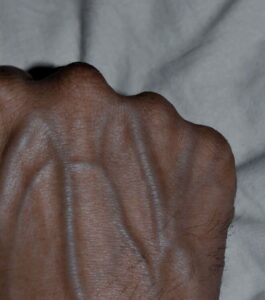
Visible veins, often referred to as vascularity, are commonly associated with athleticism, low body fat, and physical fitness. In gyms, sports culture, and social media, prominent veins are frequently portrayed as symbols of strength, discipline, and peak conditioning. For many people, seeing veins appear in the arms, shoulders, hands, or legs becomes a visible sign that their workouts are “working.” Yet the reality behind vascularity is far more complex than appearance alone.
Visible veins are influenced by multiple factors working together, including body fat percentage, muscle mass, genetics, hydration, circulation, hormones, age, skin thickness, temperature, and even stress levels. While pronounced veins are often completely normal, they do not automatically indicate superior health or fitness. Likewise, a lack of visible veins does not mean someone is unhealthy or out of shape.
At the same time, certain changes in vein appearance can occasionally signal medical issues that should not be ignored. Understanding the difference between normal vascularity and potential warning signs is important for maintaining both physical confidence and overall health awareness.
The truth is that visible veins are not a single health marker. They are simply one physical characteristic shaped by many biological and environmental influences. Learning what causes vascularity can help people better understand their bodies without becoming overly focused on appearance-based assumptions.
What Causes Veins to Become Visible?
Veins exist throughout the body, carrying blood back toward the heart after oxygen has been delivered to tissues and muscles. Everyone has veins, but not everyone can see them clearly through the skin. Whether veins appear prominent depends mainly on how much tissue separates them from the surface.
The biggest factor influencing vein visibility is body fat percentage. Fat sits beneath the skin and acts like a layer covering underlying structures, including veins. When body fat decreases, less tissue hides the veins, making them easier to see.
Muscle development also plays an important role. As muscles grow larger through exercise and resistance training, they push veins closer toward the surface of the skin. This combination of reduced body fat and increased muscle size is why athletes and bodybuilders often display high levels of vascularity.
However, vascularity is not reserved only for elite athletes. Some individuals naturally have visible veins even at moderate body fat levels because of genetics, thinner skin, or naturally superficial vein placement.
In many cases, visible veins simply reflect normal human anatomy combined with individual body composition.
Body Fat and Its Influence on Vascularity
Among all factors, body fat percentage has the strongest impact on how visible veins become.
As body fat decreases, the layer between the skin and veins becomes thinner. This allows veins to appear more pronounced, especially in areas with naturally lower fat storage such as the forearms, hands, feet, and shoulders.
For many men, vascularity becomes increasingly noticeable when body fat drops below approximately 10–12 percent. For women, visible veins may appear more commonly around 15–20 percent body fat, although these numbers vary greatly between individuals.
It is important to understand, however, that low body fat alone does not guarantee vascularity. Two people with identical body fat percentages may look completely different due to genetics, muscle distribution, skin thickness, and vascular structure.
Similarly, visible veins do not automatically mean someone is healthier than another person with less vascularity. Health involves far more than appearance. Blood pressure, cardiovascular health, nutrition, sleep, mental well-being, hormonal balance, and physical function matter much more than whether veins are visible through the skin.
The danger arises when people begin using vascularity as a universal standard for fitness or attractiveness. Social media often exaggerates this idea by showcasing highly edited images taken under ideal lighting, after workouts, or during temporary dehydration states designed specifically to maximize vein visibility.
In reality, vascularity is simply one possible byproduct of certain body conditions—not a complete measure of health.
Muscle Growth and Athletic Training
Resistance training significantly contributes to vascularity by increasing muscle size and improving circulation.
As muscles expand through consistent training, they place greater demand on blood flow. The body responds by strengthening and expanding vascular networks to deliver oxygen and nutrients more efficiently. Over time, these adaptations can make veins appear larger and more visible.
During exercise, blood vessels naturally widen through a process called vasodilation. This allows increased blood flow to working muscles. Many people notice this effect immediately after workouts, especially strength training sessions, when veins temporarily become much more pronounced. This is commonly called “the pump.”
The pump occurs because muscles swell with increased blood flow and fluid accumulation during intense activity. Veins near the skin surface expand temporarily, creating the highly vascular appearance often seen in gyms or fitness photos.
This effect is temporary. Once circulation returns to resting levels, veins usually become less prominent again.
Endurance athletes may also develop visible vascularity because regular cardiovascular exercise improves circulation and reduces body fat over time. However, the appearance of veins varies greatly depending on individual genetics and body structure.
Genetics and Natural Differences Between People
Genetics strongly influence vascularity, often more than people realize.
Some individuals naturally have thinner skin, larger veins, or veins positioned closer to the skin surface. Others inherit denser connective tissue or slightly deeper vascular structures that make veins less visible even when body fat is low.
This explains why one person may appear highly vascular with minimal effort while another trains intensely for years without developing the same appearance.
Skin tone and skin thickness also affect visibility. Lighter skin tones sometimes make veins easier to see, while thicker skin can reduce vascular appearance regardless of fitness level.
Because genetics play such a major role, comparing vascularity between individuals is often misleading and unnecessary. Two equally healthy and athletic people can look dramatically different based purely on inherited anatomy.
Understanding this helps reduce unrealistic expectations and body image pressures often created by fitness culture and online comparisons.
Hydration and Temporary Changes in Vein Visibility
Hydration levels significantly influence how veins look throughout the day.
When the body is slightly dehydrated, there is less fluid stored beneath the skin. This can make veins appear more defined because the skin lies closer to underlying structures.
This is one reason bodybuilders sometimes manipulate water intake temporarily before competitions or photo shoots to maximize muscular definition and vascularity.
Heat also increases vascularity temporarily. In warm environments, blood vessels widen to help regulate body temperature and release heat. This process can make veins appear larger and more noticeable.
Cold temperatures usually have the opposite effect. Blood vessels constrict to preserve body heat, causing veins to appear smaller or less visible.
Stress, caffeine, and physical exertion can also temporarily increase blood flow and vascular prominence.
These fluctuations are completely normal and explain why vein visibility may change dramatically from morning to evening or under different environmental conditions.
Hormonal Influences on Vascularity
Hormones affect muscle development, circulation, fat distribution, and skin structure—all of which influence vascularity.
Testosterone supports muscle growth and lower body fat levels, which partly explains why men often display visible veins more easily than women. Men also tend to store less subcutaneous fat in certain areas, making veins naturally easier to see.
Women experience hormonal fluctuations throughout the menstrual cycle that can temporarily affect fluid retention, circulation, and vein visibility. Pregnancy may also increase vascularity because blood volume expands significantly to support the developing baby.
In some cases, hormonal changes during aging can alter skin elasticity and body composition, contributing to increased vein prominence over time.
Again, these changes are usually normal physiological responses rather than signs of illness.
Aging and Why Veins Become More Noticeable Over Time
Many people notice increased vein visibility as they grow older, even without major changes in fitness or body weight.
This occurs primarily because the skin naturally becomes thinner and loses collagen and elasticity with age. As the skin layer weakens, underlying veins become easier to see.
At the same time, body fat distribution often changes throughout adulthood, and connective tissues supporting veins may weaken slightly over time.
For some individuals, this simply results in more visible hand or leg veins as a normal part of aging. In others, it may contribute to conditions like varicose veins, particularly when circulation problems or prolonged standing place extra pressure on leg veins.
Visible veins associated with normal aging are usually harmless, though sudden or painful changes should still be evaluated medically.
When Visible Veins May Signal a Health Concern
Most visible veins are completely harmless. However, certain symptoms may indicate circulation problems or vascular conditions requiring medical attention.
One common issue is varicose veins. These enlarged, twisted veins most often appear in the legs and develop when vein valves weaken, allowing blood to pool rather than flow efficiently back toward the heart.
Varicose veins may cause:
- Aching or heaviness in the legs
- Swelling
- Cramping
- Burning sensations
- Itching around the veins
- Increased discomfort after standing for long periods
Spider veins, smaller surface veins that appear web-like, are usually less serious but may still indicate circulation changes.
More urgent medical attention may be necessary if vein changes occur suddenly or alongside symptoms such as:
- Pain
- Redness
- Warmth
- Significant swelling
- One-sided limb enlargement
- Skin discoloration
These symptoms could potentially signal blood clots, inflammation, or other vascular conditions.
The key difference is context. Lifelong visible veins without discomfort are usually normal. Sudden, painful, or rapidly changing vein appearance deserves medical evaluation.
The Problem With Treating Vascularity as a Fitness Goal
In fitness culture, vascularity is often glorified as proof of discipline or peak conditioning. While there is nothing wrong with appreciating physical progress, problems arise when people chase extreme vascularity at the expense of health.
Some individuals resort to dangerous dehydration practices, excessive dieting, or performance-enhancing substances to achieve a more vascular appearance. These methods can harm cardiovascular health, hormonal balance, kidney function, and overall well-being.
Visible veins should never become the primary definition of fitness. Many healthy individuals will never appear highly vascular because of genetics or natural body composition.
True health is better measured through strength, endurance, mobility, energy levels, blood markers, emotional well-being, and sustainable habits rather than superficial appearance alone.
Building a Healthy Relationship With Your Body
Understanding vascularity can help people view their bodies more realistically and compassionately.
Visible veins are neither inherently superior nor inferior. They are simply one physical characteristic influenced by many factors, some controllable and some inherited.
Rather than obsessing over appearance, the healthiest approach is focusing on habits that support long-term wellness:
- Balanced nutrition
- Regular movement
- Adequate hydration
- Good sleep
- Stress management
- Cardiovascular health
- Strength development
- Mental well-being
If veins become more visible as a result of improved fitness or reduced body fat, that is simply a side effect—not the ultimate goal.
Likewise, individuals without prominent veins can still be exceptionally healthy and physically capable.
Conclusion
Visible veins, or vascularity, are influenced by a complex combination of body fat levels, muscle development, genetics, hydration, circulation, hormones, temperature, aging, and overall anatomy. In many cases, they simply reflect natural body composition and physical conditioning.
Lower body fat and increased muscle mass often make veins easier to see, especially in athletes and physically active individuals. Temporary factors like workouts, heat, dehydration, and stress can further increase vein visibility throughout the day.
At the same time, genetics play a major role, meaning vascularity varies naturally between people regardless of fitness level.
While most visible veins are harmless, sudden changes accompanied by pain, swelling, redness, or discomfort should be evaluated medically to rule out circulation problems or vascular conditions.
Ultimately, visible veins are not a complete measure of health or athleticism. They are simply one outward feature shaped by many internal and external influences. The healthiest perspective is to understand what your body is showing you without overinterpreting appearance alone.