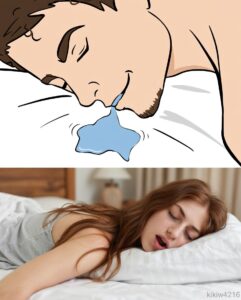
Drooling while sleeping is something many people experience at some point in life, yet few stop to think about what it might actually mean. Most individuals simply wake up, notice a damp pillow, wipe their mouth, and move on with their day without considering that the body may be sending an important message. Although occasional nighttime drooling is often harmless and completely normal, persistent or excessive drooling can sometimes point toward deeper issues involving breathing, digestion, sleep quality, oral health, neurological control, or lifestyle habits. Understanding why this happens can help people improve their sleep, reduce discomfort, and even identify medical conditions before they become more serious.
Saliva plays an essential role in maintaining oral and digestive health. The body produces saliva continuously throughout the day and night through the salivary glands located in and around the mouth. Saliva helps lubricate food, supports digestion, protects teeth from harmful bacteria, keeps tissues moist, and assists with swallowing. During the day, people unconsciously swallow saliva many times each hour without noticing it. However, during sleep, swallowing frequency decreases significantly because the body enters a deeply relaxed state. Muscles around the mouth and throat loosen, and the nervous system slows many automatic processes, including swallowing reflexes. As a result, saliva can collect in the mouth and eventually leak outward, especially if the mouth remains open.
Sleeping position is one of the most common and harmless causes of drooling. Individuals who sleep on their side or stomach are more likely to experience saliva escaping due to gravity pulling fluids toward the pillow. In contrast, back sleepers often experience less drooling because saliva naturally flows toward the throat where it can be swallowed more easily. This simple difference explains why many people notice drooling only on certain nights or after changing sleeping positions. For some individuals, adjusting posture with supportive pillows or training themselves to sleep on their back can significantly reduce nighttime drooling.
Mouth breathing is another major factor linked to excessive drooling during sleep. When nasal passages become blocked due to allergies, colds, sinus infections, or structural issues such as a deviated septum, people naturally begin breathing through their mouths. Keeping the mouth open for extended periods allows saliva to escape more easily. Seasonal allergies are particularly common triggers because inflamed nasal tissues restrict airflow and encourage nighttime mouth breathing. Dust mites, pollen, pet dander, and dry indoor air can all worsen congestion and increase drooling episodes.
Many people who drool at night also wake with dry throats, hoarseness, bad breath, or mild headaches due to poor airflow and oral dryness caused by mouth breathing. Fortunately, treating congestion often improves symptoms quickly. Nasal saline rinses, allergy medications, humidifiers, and maintaining clean sleeping environments can all help restore normal breathing patterns. In some cases, consulting an ear, nose, and throat specialist becomes necessary if chronic nasal obstruction continues interfering with sleep quality.
Sleep quality itself also influences drooling behavior. During deeper stages of sleep, particularly rapid eye movement sleep, muscles become highly relaxed. This deep relaxation allows the jaw to loosen slightly, creating an opening through which saliva may escape. Ironically, mild occasional drooling can sometimes indicate that a person is reaching restorative sleep stages successfully. However, if drooling becomes excessive or appears suddenly, it may suggest disrupted sleep patterns or an underlying condition affecting breathing or neurological control.
One of the most important medical conditions associated with nighttime drooling is obstructive sleep apnea. Sleep apnea occurs when the airway repeatedly collapses or becomes blocked during sleep, temporarily stopping breathing for brief periods. The brain repeatedly wakes the body just enough to reopen the airway, often through gasping, snoring, or mouth breathing. Because the mouth remains open frequently throughout the night, saliva can easily escape. Many individuals with sleep apnea experience heavy drooling alongside loud snoring, daytime fatigue, morning headaches, irritability, memory problems, and poor concentration.
Sleep apnea is more than a simple sleep disturbance. Untreated cases increase the risk of high blood pressure, heart disease, stroke, diabetes, depression, and cognitive decline. Risk factors include obesity, enlarged tonsils, smoking, alcohol consumption, aging, and certain jaw structures that narrow the airway. A sleep study is often required to confirm diagnosis. Treatment may involve lifestyle changes, weight reduction, oral appliances, positional therapy, or continuous positive airway pressure machines that keep the airway open during sleep. Many patients notice dramatic reductions in drooling once breathing normalizes overnight.
Digestive issues can also contribute to nighttime drooling. Gastroesophageal reflux disease, commonly known as acid reflux or GERD, frequently stimulates excess saliva production. When stomach acid rises into the esophagus, the body responds defensively by producing more saliva to neutralize irritation. During sleep, reduced swallowing allows this extra saliva to accumulate. Individuals with reflux may notice symptoms such as heartburn, sour taste in the mouth, chronic coughing, throat irritation, chest discomfort, or difficulty swallowing.
Eating large meals before bedtime, consuming spicy or acidic foods, drinking alcohol, and lying flat immediately after eating all increase reflux risk. Elevating the head slightly while sleeping, avoiding late-night meals, reducing trigger foods, and maintaining a healthy weight can greatly reduce symptoms. In moderate or severe cases, physicians may recommend medications to reduce stomach acid production and protect the esophagus from long-term damage.
Stress and anxiety can indirectly influence nighttime drooling as well. Emotional stress affects sleep architecture, breathing patterns, muscle tension, and digestive activity. Some anxious individuals experience irregular breathing or shallow sleep that alters swallowing reflexes. Others grind their teeth or clench their jaws during sleep, increasing saliva production through oral irritation. Chronic stress also contributes to digestive disturbances and reflux, further increasing the likelihood of drooling episodes. Establishing calming nighttime routines, limiting screen exposure before bed, practicing meditation, and improving stress management may positively affect overall sleep quality and reduce symptoms.
Oral and dental health should never be overlooked when discussing excessive drooling. Gum disease, cavities, infections, mouth sores, and poorly fitted dental appliances can all stimulate increased saliva production. The body naturally produces more saliva when irritation or inflammation occurs inside the mouth. In some cases, wisdom tooth problems or orthodontic devices contribute to nighttime drooling due to discomfort and altered jaw positioning. Regular dental care, professional cleanings, and prompt treatment of oral infections can significantly improve symptoms.
Certain medications may also increase drooling as a side effect. Some antidepressants, antipsychotics, sedatives, medications for Alzheimer’s disease, and drugs affecting nervous system function alter saliva production or swallowing control. Individuals who begin experiencing sudden drooling after starting a new medication should discuss concerns with a healthcare provider rather than stopping medications independently. Adjusting dosage or switching prescriptions may help resolve the issue safely.
Neurological conditions represent a more serious category of causes. Disorders affecting muscle coordination, nerve control, or swallowing reflexes can interfere with the body’s ability to manage saliva properly. Conditions such as Parkinson’s disease, cerebral palsy, multiple sclerosis, stroke, and certain neuromuscular disorders may lead to chronic drooling both during sleep and while awake. In these situations, the problem often stems not from excess saliva production but from difficulty swallowing saliva effectively.
Neurological drooling frequently appears alongside other symptoms including muscle stiffness, tremors, facial weakness, speech changes, balance difficulties, or swallowing problems. Sudden onset drooling accompanied by facial drooping or weakness requires immediate medical attention because it may signal a stroke. Early diagnosis and intervention are essential for improving long-term outcomes in neurological conditions.
Children commonly drool while sleeping, and in most cases this is entirely normal. Young children naturally produce significant saliva during teething stages and have not yet fully developed mature swallowing coordination. Enlarged tonsils, allergies, mouth breathing, and sleeping positions also contribute. However, excessive drooling beyond certain developmental stages may occasionally indicate enlarged adenoids, sleep apnea, oral motor delays, or neurological concerns that deserve pediatric evaluation.
Pregnancy can temporarily increase drooling in some women due to hormonal fluctuations, nausea, reflux, and changes in swallowing patterns. Although often harmless, persistent severe drooling should still be discussed with a healthcare provider to rule out other contributing conditions and ensure adequate hydration and nutrition.
Lifestyle habits strongly influence nighttime drooling frequency. Alcohol consumption relaxes throat muscles and worsens mouth breathing and sleep apnea symptoms. Smoking irritates airways, increases inflammation, and contributes to chronic congestion. Poor sleep schedules disrupt restorative sleep cycles and may affect muscle control during rest. Excessive caffeine intake late in the day can worsen reflux and fragment sleep quality. Improving daily habits often produces substantial improvements without requiring complex medical treatment.
Hydration levels also matter. Although saliva production naturally decreases slightly during dehydration, chronic dry mouth can paradoxically trigger compensatory saliva fluctuations and mouth breathing behaviors that worsen drooling patterns overnight. Drinking adequate water throughout the day supports healthy oral tissues and stable saliva balance.
Technology and modern lifestyle factors increasingly affect sleep quality and indirectly contribute to drooling. Prolonged screen use before bedtime exposes the brain to blue light that interferes with melatonin production and healthy sleep rhythms. Poor sleep quality may increase mouth breathing, fragmented sleep stages, and abnormal muscle relaxation patterns. Creating technology-free bedtime routines and maintaining consistent sleep schedules can improve overall rest and reduce related symptoms.
Several practical strategies can help reduce nighttime drooling naturally. Sleeping on the back remains one of the most effective approaches for many individuals. Elevating the head slightly can improve airflow and reduce reflux. Maintaining good nasal hygiene through saline sprays or humidifiers supports healthy breathing. Treating allergies promptly minimizes congestion. Avoiding heavy meals close to bedtime reduces digestive irritation. Limiting alcohol and smoking improves airway stability. Weight management significantly reduces sleep apnea risk and improves breathing efficiency during sleep.
In cases where drooling persists despite lifestyle improvements, professional evaluation becomes important. Doctors may recommend sleep studies, allergy testing, neurological examinations, imaging studies, or dental assessments depending on associated symptoms. Early evaluation helps identify potentially serious conditions before complications develop.
Treatment options vary depending on the underlying cause. Allergy management may involve antihistamines or nasal corticosteroids. Reflux treatment often includes dietary changes and acid-reducing medications. Sleep apnea management may involve CPAP therapy or oral devices. Speech and swallowing therapy can improve muscle coordination in neurological conditions. In severe chronic cases, specialized treatments such as botulinum toxin injections into salivary glands may reduce excessive saliva production temporarily.
The emotional and social effects of drooling should not be underestimated. Many adults feel embarrassed or anxious about nighttime drooling, particularly when sharing sleeping spaces with partners. However, understanding that drooling is often linked to common and manageable health factors can reduce unnecessary shame. Viewing the symptom as useful information from the body encourages proactive self-care rather than embarrassment or avoidance.
Ultimately, drooling while sleeping exists on a broad spectrum ranging from harmless relaxation during deep sleep to important warning signs requiring medical attention. Occasional mild drooling usually reflects normal physiology and sleeping posture. Persistent or worsening drooling, however, may reveal problems involving breathing, digestion, neurological function, allergies, medications, or sleep disorders. Paying attention to associated symptoms such as snoring, choking, facial weakness, reflux, daytime fatigue, or swallowing difficulty helps determine when further evaluation becomes necessary.
Better sleep quality improves nearly every aspect of health, including mood, energy, immune function, cardiovascular stability, cognitive performance, and emotional resilience. Addressing nighttime drooling often leads not only to drier pillows but also to deeper rest, improved breathing, reduced inflammation, and enhanced overall wellness. By listening carefully to the body’s subtle nighttime signals, individuals gain valuable opportunities to improve both immediate comfort and long-term health outcomes.
Rather than dismissing drooling as merely an embarrassing inconvenience, people should recognize it as a potentially informative symptom connected to broader physiological processes. Awareness, prevention, healthy lifestyle habits, and timely medical evaluation when needed can transform a simple nighttime annoyance into a meaningful step toward healthier sleep, stronger daily functioning, and better long-term well-being.