The history of hip-hop is often told through the voices standing center stage. Fans remember the legendary verses, unforgettable performances, iconic albums, and larger-than-life personalities who shaped entire generations through music. Yet behind nearly every cultural movement that changes history, there are individuals whose influence unfolds quietly in the background—people whose vision, planning, and strategic thinking help transform raw talent into something lasting. These figures rarely seek attention for themselves, but without them, many of the most important creative revolutions would never fully take shape.
Oliver Grant was one of those figures.
Known to many within the hip-hop world as “Power,” Grant played a significant role in helping build the early foundation surrounding Wu-Tang Clan during one of the most transformative periods in rap history. While audiences around the world became captivated by the group’s lyrical complexity, gritty production, and revolutionary identity, Grant worked largely behind the scenes helping shape the business direction, cultural strategy, and long-term vision that allowed the collective to evolve into far more than a music group.
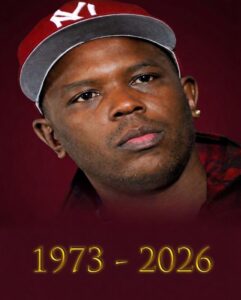
His passing at the age of 52 prompted deep reflection across the hip-hop community because people understood that his contributions represented something larger than traditional industry success. Grant helped pioneer an idea that would later redefine modern entertainment itself: the belief that artists could maintain ownership, build independent brands, expand beyond music, and create entire ecosystems around culture rather than simply selling records.
To understand why his legacy remains so important, it helps to revisit the era in which the Wu-Tang Clan first emerged.
During the early 1990s, hip-hop still occupied an uncertain position within the broader entertainment industry. Rap music had already become commercially successful, but many executives still treated artists as temporary trends rather than long-term creative forces capable of controlling their own brands and businesses. Record labels largely dictated contracts, ownership structures, and marketing decisions. Most artists had little leverage and even less long-term control over the wealth their creativity generated.
Then the Wu-Tang Clan arrived and disrupted nearly every expectation.
The group’s structure alone felt revolutionary. Instead of functioning like a traditional rap act centered around one star, the collective operated as a network of highly distinct personalities and lyrical styles unified under a shared identity. Members such as Method Man, GZA, RZA, Raekwon, and others each developed individual careers while simultaneously strengthening the collective brand.
This structure was not accidental.
It reflected strategic thinking as much as artistic creativity.
People like Oliver Grant recognized early that the group possessed potential extending far beyond album sales. The music carried authenticity, mythology, identity, and cultural symbolism powerful enough to expand into clothing, branding, film, merchandise, and broader lifestyle influence. At a time when many artists were still being encouraged to remain dependent on traditional label systems, the Wu-Tang movement embraced ownership and entrepreneurial control aggressively.
That philosophy would later become standard across modern hip-hop culture, but during the early 1990s, it felt radically forward-thinking.
One of the clearest examples of this mindset appeared through the development of Wu Wear.
Today, artist-driven fashion brands are everywhere. Musicians routinely launch clothing labels, collaborations, sneakers, fragrances, and lifestyle collections. But during the early years of hip-hop commercialization, this level of brand expansion remained relatively uncommon. Wu Wear became one of the earliest major examples of a rap collective transforming its cultural identity into a fully realized apparel business.
Grant played a meaningful role in helping support and expand that vision.
The success of Wu Wear demonstrated that hip-hop audiences were not simply purchasing music—they were investing emotionally in identity, community, and representation. Fans wanted clothing that reflected the movement they felt connected to. They wanted symbols that carried meaning beyond entertainment.
This shift mattered enormously because it helped prove that artists could build sustainable business ecosystems around their creativity rather than relying solely on record sales controlled by outside corporations.
In many ways, the blueprint created during this era anticipated the future of modern entertainment.
Today’s biggest artists regularly function as entrepreneurs, investors, media personalities, fashion collaborators, and brand architects alongside their musical careers. The idea that artists should maintain ownership and diversify revenue streams has become almost expected within hip-hop culture. But figures like Oliver Grant helped shape those possibilities long before they became mainstream business strategies.
What made Grant especially respected within the industry was that his influence never appeared driven primarily by ego or public visibility.
Unlike many individuals surrounding celebrity culture, he did not seem obsessed with personal fame. He operated with a quieter sense of purpose centered on building infrastructure, strengthening opportunities, and helping protect the long-term future of the movement itself.
That kind of contribution is often overlooked by mainstream audiences because it lacks the immediate visibility of performances and headlines.
But insiders understand how essential those roles truly are.
Every enduring cultural movement requires organizers, negotiators, strategists, protectors, and visionaries capable of seeing beyond immediate success. Creative talent alone rarely sustains long-term influence without structure supporting it behind the scenes.
Grant helped provide part of that structure.
As the Wu-Tang Clan expanded globally, their ability to preserve authenticity while growing commercially became one of the defining strengths separating them from many contemporaries. The group never felt entirely manufactured or diluted by corporate expectations despite achieving worldwide recognition.
That balance between independence and expansion reflected the kind of strategic foundation established early on by people who understood both culture and business simultaneously.
For many fans, the lasting power of the Wu-Tang Clan extends far beyond nostalgia.
The group represented creative freedom.
Ownership.
Individuality.
Collective identity.
Discipline.
Entrepreneurship.
Street wisdom blended with artistic experimentation.
Those values resonated deeply with audiences across generations because they reflected larger aspirations extending beyond music itself. The movement encouraged people to think independently, value originality, and build something meaningful on their own terms.
Grant’s contributions helped strengthen those ideals operationally behind the scenes.
His legacy also highlights an important truth about how cultural history is remembered.
Public attention naturally gravitates toward visible stars because performances create emotional connection quickly. Yet many of the people who shape industries most profoundly are individuals whose work unfolds quietly through relationships, strategy, organization, and long-term planning.
Without those figures, many celebrated artists might never receive the stability or opportunities needed to thrive creatively.
That reality becomes especially clear when examining the evolution of hip-hop over the last three decades.
What began as a marginalized cultural movement eventually transformed into one of the most powerful forces in global entertainment, fashion, branding, language, and social influence. Hip-hop now shapes advertising campaigns, luxury fashion, sports culture, streaming platforms, and international youth identity.
That transformation did not happen accidentally.
It emerged because artists and visionaries fought persistently for ownership, autonomy, and recognition within systems that initially underestimated them.
People like Oliver Grant contributed to that broader evolution by helping build frameworks capable of supporting independence rather than dependency.
In the years following the rise of the Wu-Tang Clan, countless artists adopted similar approaches to branding and entrepreneurship. Music increasingly became the center of larger business empires involving fashion, technology, media production, beverages, partnerships, and licensing opportunities.
Modern audiences often take these models for granted because they now appear everywhere throughout entertainment culture.
But during the early 1990s, those ideas required imagination and risk.
They required people willing to think beyond traditional limitations.
Grant’s life reminds people that cultural innovation often depends on individuals capable of recognizing potential before the world fully understands what it is seeing.
The reaction to his passing also revealed something meaningful about community memory within hip-hop itself.
Many artists, collaborators, and fans spoke less about fame and more about loyalty, belief, and vision when discussing his influence. Those themes matter because hip-hop has always functioned as more than music alone. At its core, the culture has historically emphasized resilience, creativity under pressure, economic empowerment, and communal identity.
Figures working behind the scenes frequently become guardians of those values even when mainstream audiences never fully recognize their names.
As younger generations continue discovering the music and legacy of the Wu-Tang Clan, they are also inheriting lessons about ownership and creative independence shaped partly by people like Grant.
That influence continues rippling outward.
Every artist negotiating for control over masters.
Every musician launching independent brands.
Every creator building businesses beyond traditional gatekeepers.
Every entrepreneur recognizing culture itself as economic power.
All exist partly within pathways opened by earlier visionaries who challenged conventional industry structures.
In many ways, that may be the most meaningful measure of lasting impact.
Not temporary headlines.
Not public attention.
But ideas strong enough to continue shaping the future long after the individuals themselves are gone.
Oliver Grant’s story serves as a reminder that some of the most important architects of cultural history rarely stand directly beneath the spotlight. Their influence lives instead through the movements they strengthen, the people they support, and the possibilities they help create for others.
The continued relevance of the Wu-Tang Clan stands as part of that legacy.
So does the entrepreneurial mindset that now defines much of modern hip-hop culture.
And so does the broader understanding that creativity becomes most powerful when paired with ownership, vision, and strategic independence.
As fans continue revisiting the music, fashion, business innovations, and cultural philosophy connected to that era, Oliver “Power” Grant’s contributions remain woven into the foundation of something far larger than any single moment in entertainment history.
His work helped shape a movement that changed music forever.
And the influence of that movement continues inspiring generations around the world today.