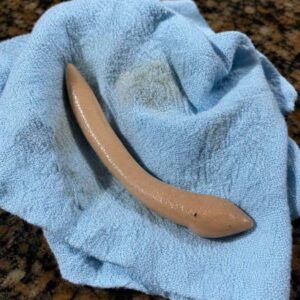
Snakes have a way of triggering immediate unease, even though most species are shy and actively avoid human contact. In reality, they are far more interested in finding food, shelter, and suitable temperatures than interacting with people. Still, when they appear near homes, especially in gardens, garages, or yards, it’s understandable that homeowners want a reliable way to keep them at a distance.
One widely shared idea is that certain strong smells can repel snakes. This belief comes from a real biological trait: snakes rely heavily on chemical sensing to understand their surroundings. Through a mechanism tied to the Jacobson’s organ, they “taste” airborne particles collected by their tongues, helping them detect prey, predators, and environmental changes.
Because of this sensitivity, strong or unfamiliar odors may discourage snakes from lingering in certain areas. However, it’s important to be clear from the start: scents alone are not a guaranteed solution. They can help reduce the likelihood of encounters, but they work best when combined with basic environmental management.
With that in mind, here’s a grounded look at seven commonly suggested scents, how they might help, and how to use them safely and realistically.
Cinnamon and Clove: Strong, Spicy Barriers
Both cinnamon and clove are often mentioned together because of their potent aromatic compounds.
- Cinnamon contains cinnamaldehyde
- Clove contains eugenol
These compounds produce strong, lingering scents that can overwhelm a snake’s sensory system in localized areas.
How to use them:
- Sprinkle powdered forms along garden edges, fences, or entry points
- Mix essential oils with water and a small amount of dish soap to create a spray
- Reapply regularly, especially after rain
Reality check: These scents may discourage movement through treated areas, but they won’t “force” snakes to leave if the environment is otherwise ideal (shade, food, shelter).
Garlic: Sulfur-Based Odor Signals
garlic works differently. When crushed, it releases sulfur compounds that produce a sharp, lingering smell.
Some believe this mimics natural warning cues in the environment or simply overwhelms scent detection.
How to use it:
- Blend crushed garlic with water to create a spray
- Apply near hiding spots like woodpiles, sheds, or dense vegetation
Limitations: The smell dissipates quickly outdoors, so frequent reapplication is necessary.
Citrus: Fresh but Disruptive
Citrus fruits like lemon and orange contain oils rich in limonene, which can irritate some animals’ sensory systems.
How to use:
- Scatter fresh peels in targeted areas
- Use citrus oil sprays along boundaries
What to expect: Citrus is milder than other options. It’s better as a supplemental layer rather than a primary deterrent.
Peppermint: Intense and Penetrating
peppermint is a popular natural repellent due to its strong menthol content.
The sharp scent can interfere with how snakes process environmental cues.
Application methods:
- Mix peppermint oil with water and spray around entry points
- Soak cotton balls and place them in enclosed areas like garages or sheds
- Plant mint as a long-term, mild deterrent
Note: Outdoors, the scent fades quickly, so consistency matters.
Ammonia: High-Impact, Use With Caution
ammonia produces a harsh, pungent odor that many animals avoid.
How it’s used:
- Soak rags in diluted ammonia and place them in open containers outdoors
- Position them near known snake pathways
Important cautions:
- Never use in enclosed spaces
- Keep away from pets and children
- Avoid pouring directly into soil or plants
This is a stronger option, but also one that requires careful handling.
Sulfur: Traditional but Limited
sulfur has long been used in gardening and pest control due to its distinct smell.
Usage:
- Sprinkle powdered sulfur around the perimeter of a yard
Considerations:
- Can irritate skin and lungs
- Less effective when wet
- Results are inconsistent depending on conditions
Why Scent Alone Isn’t Enough
While all these smells may have some effect, none of them address the core reason snakes appear in the first place.
Snakes are drawn to:
- Food (especially rodents)
- Shelter (woodpiles, tall grass, debris)
- Water sources
- Warmth or shade depending on climate
If those conditions remain, scents will only have limited impact.
A More Effective Strategy
Think of scents as a supporting layer, not a primary defense.
For better results, combine them with:
- Keeping grass short
- Removing debris and clutter
- Sealing gaps in walls, fences, and foundations
- Controlling rodent populations
- Using well-lit outdoor areas at night
This integrated approach is far more reliable than any single scent.
The Psychology Behind These Methods
Part of the appeal of scent-based deterrents is that they feel natural, simple, and safe. And in many cases, they are.
But it’s also easy for online advice to overstate their effectiveness.
The truth sits in the middle:
- Yes, strong odors can influence animal behavior
- No, they are not foolproof barriers
Understanding this balance helps avoid frustration and unrealistic expectations.
Final Thoughts
Using scents like cinnamon, clove, garlic, citrus, peppermint, ammonia, and sulfur can play a role in reducing the chances of snake encounters—but they are not magic solutions.
They work best when:
- Applied consistently
- Combined thoughtfully
- Paired with good yard maintenance
In most cases, the goal isn’t to “repel” snakes completely—it’s to make your environment less attractive to them in the first place.
And that’s a much more reliable strategy.
Because in the end, the most effective prevention doesn’t come from overpowering nature—
it comes from understanding it and working with it.