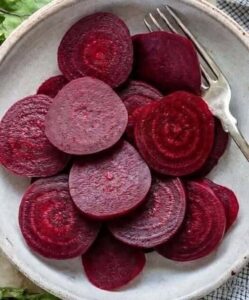
For decades, nutrition experts have encouraged people to eat more colorful vegetables, and few foods demonstrate the benefits of vibrant nutrition better than beets. With their deep red-purple color, naturally sweet flavor, and impressive nutritional profile, beets have earned a reputation as one of nature’s most valuable foods. While they may not receive the same attention as trendy supplements or expensive wellness products, doctors and dietitians continue to highlight beets as a simple, affordable, and effective way to support overall health.
Unlike quick-fix health trends that promise dramatic results overnight, beets work in a more sustainable way. Their benefits develop gradually through consistent consumption, helping support important bodily functions over time. Rich in fiber, antioxidants, vitamins, minerals, and naturally occurring nitrates, beets contribute to cardiovascular health, digestive wellness, physical performance, and potentially even cognitive function.
Health professionals often describe beets as a food that supports the body rather than forcing it into rapid changes. This distinction is important. Instead of acting like a stimulant or temporary solution, beets provide nutrients that help the body’s systems function more efficiently. As a result, many people experience subtle but meaningful improvements in energy, circulation, endurance, and overall well-being when they regularly include beets in their diet.
One of the most researched benefits of beets involves their impact on blood flow and circulation. Beets contain naturally occurring nitrates, compounds that are converted by the body into nitric oxide. Nitric oxide plays an important role in vascular health because it helps relax and widen blood vessels.
When blood vessels become more flexible and open, blood can travel through the circulatory system more efficiently. This improved circulation allows oxygen and nutrients to reach tissues throughout the body more effectively. Better blood flow may support healthy blood pressure levels, improve physical performance, and help reduce the strain placed on the cardiovascular system.
Doctors frequently point to this nitrate-to-nitric-oxide process as one of the primary reasons beets have attracted significant scientific interest. While no single food can guarantee perfect cardiovascular health, incorporating nitrate-rich vegetables such as beets into a balanced diet may contribute positively to heart and vascular function.
Improved circulation can also influence daily energy levels. Many people associate fatigue exclusively with lack of sleep or stress, but circulation plays a critical role in how efficiently the body delivers oxygen to muscles and organs. When oxygen transport improves, physical activities often feel less demanding.
This effect has made beets particularly popular among athletes and fitness enthusiasts. Some studies suggest that beet consumption may improve exercise efficiency by helping muscles use oxygen more effectively. While the improvements are often modest, they can be meaningful during endurance activities such as walking, cycling, running, or swimming.
Even individuals who are not athletes may notice benefits. Everyday activities such as climbing stairs, gardening, carrying groceries, or taking long walks can become more manageable when the body’s systems are functioning efficiently. Over time, these small improvements may contribute to greater physical confidence and overall activity levels.
Beyond circulation, beets offer substantial digestive benefits due to their fiber content. Dietary fiber remains one of the most important components of a healthy diet, yet many people fail to consume adequate amounts on a daily basis. Fiber supports digestive health by promoting regular bowel movements and helping food move efficiently through the digestive tract.
A healthy digestive system contributes to overall wellness in numerous ways. Proper digestion supports nutrient absorption, waste elimination, and gastrointestinal comfort. By adding fiber-rich foods such as beets to meals, individuals can help maintain healthy digestive function while supporting long-term gut health.
Researchers have increasingly recognized the importance of the gut microbiome, the vast community of microorganisms living within the digestive system. These beneficial bacteria influence many aspects of health, including immune function, metabolism, and even mood regulation. Fiber serves as a food source for these beneficial microbes, helping them thrive and maintain balance within the digestive tract.
Stable energy levels represent another advantage associated with fiber-rich foods. Highly processed foods often cause rapid increases in blood sugar followed by sudden drops that leave individuals feeling tired and hungry. Fiber slows digestion and the absorption of carbohydrates, promoting a more gradual release of energy.
As a result, meals containing fiber-rich vegetables like beets may help reduce energy fluctuations throughout the day. Rather than experiencing dramatic highs and lows, many individuals find that nutrient-dense foods provide a more consistent source of fuel for both physical and mental activities.
The distinctive color of beets is another reason they attract attention from nutrition scientists. Their rich red hue comes from plant pigments known as betalains. These naturally occurring compounds possess antioxidant properties that help protect cells from oxidative stress.
Oxidative stress occurs when unstable molecules known as free radicals accumulate within the body. Over time, excessive oxidative stress may contribute to cellular damage and age-related health concerns. Antioxidants help neutralize these molecules, supporting the body’s natural defense systems.
Betalains are especially interesting because they may also support the body’s natural inflammatory response. Inflammation is a normal biological process that helps the body respond to injury and infection. However, chronic inflammation has been associated with numerous long-term health concerns.
By providing antioxidant support and contributing to the regulation of inflammatory processes, beets may help the body maintain balance more effectively. While they are not a cure for disease, their nutrient profile makes them a valuable component of a healthy eating pattern focused on long-term wellness.
Many people are surprised to learn that beets may also benefit brain health. Because blood flow is essential for delivering oxygen and nutrients to the brain, improvements in circulation may potentially support cognitive function. Some researchers have explored whether the nitrate content of beets could contribute to increased blood flow in certain areas of the brain.
Although research is ongoing, the relationship between vascular health and cognitive function remains an important area of study. Maintaining healthy circulation throughout life may play a role in supporting memory, concentration, and mental clarity as individuals age.
Older adults, in particular, may benefit from dietary patterns that support both cardiovascular and cognitive health simultaneously. Since beets offer nutrients that contribute to circulation, antioxidant protection, and overall wellness, they fit naturally into a balanced approach to healthy aging.
In addition to nitrates, fiber, and betalains, beets provide a variety of essential vitamins and minerals. One notable nutrient is folate, a B vitamin involved in cell growth, DNA production, and tissue repair. Adequate folate intake supports numerous biological processes and remains important throughout life.
Beets are also a good source of potassium, a mineral that helps regulate fluid balance, nerve function, and muscle contractions. Potassium works alongside sodium to support healthy blood pressure regulation and cardiovascular function.
Another important nutrient found in beets is manganese. Although required in smaller amounts than some other minerals, manganese plays a vital role in metabolism, bone development, and antioxidant defense systems.
Beets additionally contain smaller amounts of iron and vitamin C. Iron contributes to oxygen transport within the blood, while vitamin C supports immune health and assists with iron absorption. Together, these nutrients contribute to the overall nutritional value that makes beets such a beneficial addition to the diet.
One of the most appealing aspects of beets is their versatility. Unlike some health foods that require complicated preparation, beets can be incorporated into meals in numerous ways. Roasted beets make a flavorful side dish with a naturally sweet taste and tender texture. Sliced beets can add color and nutrition to salads, grain bowls, and vegetable platters.
Many people enjoy blending cooked beets into smoothies, where their natural sweetness pairs well with fruits such as berries, apples, and bananas. Beet juice has also become popular among individuals seeking a concentrated source of dietary nitrates, particularly before exercise.
For those who prefer convenience, pre-cooked beets are widely available in many grocery stores. This allows individuals to enjoy the nutritional benefits of beets without spending significant time on preparation.
Despite their impressive health profile, experts emphasize that beets should be viewed as part of an overall healthy lifestyle rather than a miracle food. No single ingredient can replace the benefits of balanced nutrition, regular physical activity, adequate sleep, and routine medical care. However, incorporating nutrient-rich foods consistently can have a meaningful cumulative effect over time.
This concept reflects one of the most important principles in nutrition science: long-term habits matter more than short-term efforts. The benefits associated with beets are not typically dramatic or immediate. Instead, they emerge gradually as part of a broader commitment to healthy living.
For individuals seeking practical ways to improve their diet, beets offer an excellent starting point. They are affordable, widely available, nutrient-dense, and easy to incorporate into existing meal routines. Whether consumed roasted, steamed, blended, or juiced, they provide a range of compounds that support important aspects of health.
Ultimately, the growing interest in beets reflects a broader appreciation for the power of whole foods. Nature provides many ingredients capable of supporting wellness, and beets stand out as one of the most versatile examples. Their combination of nitrates, fiber, antioxidants, vitamins, and minerals makes them a valuable addition to a balanced diet.
Doctors and nutrition experts continue to recommend focusing on simple dietary choices that can be maintained consistently over time. Among those choices, adding beets to regular meals remains one of the easiest and most effective ways to support circulation, digestion, heart health, energy production, and overall vitality.
While they may not deliver instant transformation, their long-term contributions to wellness can be significant. In a world filled with complex health advice and endless dietary trends, the humble beet serves as a reminder that sometimes the most powerful health solutions are also the simplest.