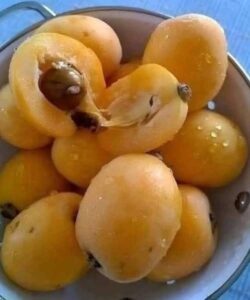
Making homemade jam is more than simply cooking fruit with sugar. It is a small act of preservation, creativity, and care. A jar of jam can capture the taste of a particular season, remind us of a summer afternoon, or bring back memories of a kitchen filled with familiar smells. In a world where food is often purchased quickly and consumed without much thought, making jam at home offers an opportunity to slow down and appreciate the simple process of creating something with our own hands.
The beauty of homemade jam begins with its ingredients. Fresh strawberries, raspberries, blueberries, peaches, apricots, plums, and many other fruits can become delicious spreads. Sometimes the best fruit for jam is not the perfect-looking fruit displayed in a supermarket. Fruit that is slightly bruised, very ripe, or beginning to soften may no longer look appealing enough to eat on its own, but it can still contain plenty of flavor. Instead of allowing this fruit to go to waste, turning it into jam gives it a second purpose.
Reducing food waste is one of the most practical benefits of making jam at home. People often throw away fruit simply because it has become too soft or because they have bought more than they can eat. Homemade jam provides a simple solution. By transforming extra fruit into something that can last longer, we can make better use of the food we already have. This does not require complicated equipment or advanced cooking skills. A pot, spoon, fresh ingredients, clean jars, and patience are often enough to begin.
The process of making jam can also be surprisingly calming. First, the fruit must be washed and prepared. Depending on the type of fruit, this may mean removing stems, seeds, pits, or damaged areas. The fruit is then placed in a pot, often with sugar and sometimes with lemon juice or other ingredients. As the mixture begins to heat, the fruit softens and releases its natural juices. The kitchen gradually fills with a sweet and familiar aroma.
Stirring the fruit as it cooks can become a quiet moment of concentration. There is something satisfying about watching separate ingredients slowly become a single mixture. The bright colors of fresh fruit change as the jam thickens, and the smell becomes richer. What began as a bowl of ordinary fruit becomes something completely different. The transformation is simple, but it can create a strong sense of accomplishment.
Homemade jam also gives people the freedom to experiment. A traditional strawberry jam may be comforting because of its familiar flavor, but there is no need to stop with traditional combinations. Peaches can be combined with ginger for a warm, slightly spicy flavor. Blueberries can be paired with lavender for something more delicate and unusual. Raspberries can be mixed with vanilla, while apricots can work beautifully with citrus. Even small amounts of herbs, spices, or other fruits can create new possibilities.
This freedom is one of the greatest differences between homemade jam and many products purchased from a store. When making jam yourself, you decide what goes into it. You can adjust the sweetness according to your preference and choose whether you want a smooth spread or one with pieces of fruit. You can make a large batch for preserving or a small batch to keep in the refrigerator. The recipe can change depending on the fruit available and the season.
The jars themselves can become part of the experience. Clean glass jars filled with colorful jam can look beautiful on a kitchen shelf or breakfast table. Labeling them with the fruit, date, or a personal message can make them feel even more special. A jar made during strawberry season might remind someone of early summer, while a peach jam made at the end of August can become a small reminder of warm days before autumn arrives.
For many people, making jam can become a family tradition. Children can help wash fruit, adults can prepare the ingredients, and everyone can share the finished product. The activity creates time for conversation and cooperation. Even when the process is repeated every year, it does not necessarily become boring. Instead, repetition can make it meaningful. Traditions often gain their value because they connect different moments of life.
There is also something satisfying about hearing the soft pop of a jar sealing after it has been prepared. That small sound can represent the completion of a process that required attention and patience. It is a reminder that useful and enjoyable things do not always have to happen quickly.
Of course, jam does not have to be limited to breakfast. A spoonful can be mixed into yogurt for a sweet snack or breakfast. It can be spread over toast, pancakes, waffles, or pastries. Some jams pair wonderfully with cheese, creating a balance between sweetness and richness. Fruit preserves can also be used in desserts, sauces, or other dishes. A single jar can therefore become a surprisingly versatile ingredient.
Homemade jam also makes a thoughtful gift. Giving someone a jar of jam is different from simply buying an item from a store. The recipient receives not only the food but also the time and effort involved in making it. A decorated jar with a handwritten label can communicate warmth and generosity without being expensive or complicated. It can be given to a friend, neighbor, teacher, relative, or anyone who appreciates homemade food.
Perhaps the greatest charm of homemade jam is that it encourages us to notice the value of ordinary things. Fruit, sugar, a cooking pot, and a little time may not seem remarkable individually. Together, however, they can create something beautiful and useful. The process turns ingredients into food while also turning time into memories.
In a fast-moving world, homemade jam offers a gentle reminder that not everything needs to be rushed. Some things become more meaningful when we make them slowly. Preparing fruit, stirring a pot, filling jars, and sharing the finished product can transform a simple cooking activity into a personal tradition.