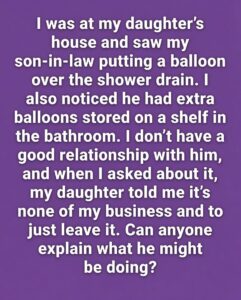
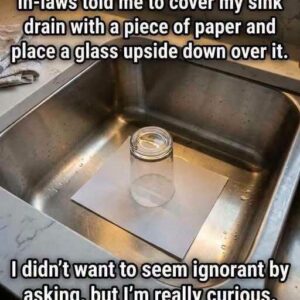
At first glance, it sounds like the perfect internet home hack: stretch a balloon over your shower drain and keep unwanted pests from entering your bathroom.
It’s cheap.
It’s simple.
And it takes only a few seconds.
But like many viral household tricks, the idea sounds more effective than it actually is.
A balloon might temporarily cover the opening of a shower drain, but it doesn’t solve the underlying conditions that attract pests in the first place. If insects are repeatedly appearing in your bathroom, the problem is usually bigger than one drain.
Moisture, warmth, organic buildup, plumbing openings, cracks, and gaps around fixtures can all contribute to pest activity.
Understanding those conditions is much more useful than relying on a quick fix.
Why Bathrooms Attract Pests
Bathrooms provide several things insects and other household pests need.
There is usually plenty of moisture, especially around showers, sinks, toilets, and floor drains. Warm temperatures can also make bathrooms comfortable environments for certain insects.
Even a bathroom that appears perfectly clean can contain damp areas that are difficult to notice.
Water can collect underneath fixtures, around pipes, behind cabinets, or inside drains. Small amounts of organic material can also accumulate inside plumbing over time.
For certain insects, these conditions can create an attractive environment.
That is why simply covering one drain may not solve the problem.
Why the Balloon Trick Seems Convincing
The logic behind the balloon method is understandable.
If a drain provides a possible pathway into the bathroom, covering the opening should theoretically prevent anything from coming through.
And in a very limited sense, a physical barrier can make access more difficult.
The problem is that a balloon isn’t designed to function as a plumbing seal.
It may move, lose its shape, deteriorate, or fail to remain securely positioned. It can also be easy to forget about, particularly if someone needs to use the shower.
More importantly, even a perfectly positioned balloon would only address one possible access point.
If pests are entering through a gap around a pipe, a crack in a wall, a poorly sealed window, or another drain, covering the shower drain won’t make much difference.
The Real Problem May Be Around the Drain
When insects repeatedly appear around a shower, homeowners often assume the drain itself is the source.
Sometimes it may be.
But the surrounding area deserves just as much attention.
Check the edges where plumbing pipes pass through walls or floors. Look for gaps around the shower base, loose caulking, damaged grout, cracks, or spaces beneath cabinets.
These areas can be easy to overlook because they aren’t obvious entryways.
A small crack may seem insignificant to a person, but it can provide enough space for tiny insects to move through.
This is why pest prevention is usually more effective when it focuses on the entire room rather than one opening.
Keep the Bathroom as Dry as Possible
One of the simplest ways to make a bathroom less attractive to pests is to control moisture.
After showering, allow the room to dry properly. Use an exhaust fan when appropriate and make sure it vents correctly.
Wipe up standing water around the shower or bathtub.
Pay attention to areas that remain damp for long periods.
If you have a persistent leak, repair it rather than simply cleaning up the water repeatedly.
A dripping pipe under a sink or a slow leak around a toilet can provide a constant source of moisture.
Reducing unnecessary moisture can improve the bathroom environment for both pest prevention and general home maintenance.
Clean Drains Regularly
Drain maintenance is another important step.
Hair, soap residue, skin cells, and other organic material can accumulate inside shower drains. Over time, that buildup can contribute to unpleasant odors and may provide food or breeding conditions for certain small insects.
Regular cleaning can help reduce this buildup.
Remove visible debris from the drain and clean the surrounding area. If you notice recurring insects near the drain, don’t simply cover the opening and assume the problem is solved.
Instead, investigate what may be attracting them.
Avoid pouring harsh chemicals down plumbing unless the product is specifically appropriate for your system and you follow its instructions. More aggressive products are not automatically better.
Check the Plumbing Traps
Many household drains are connected to traps designed to hold water.
That water acts as a barrier that helps prevent sewer gases from traveling into the home.
If a fixture isn’t used regularly, the water in its trap can eventually evaporate, especially in warm or dry conditions.
If you notice sewer-like odors coming from a rarely used drain, replenishing the trap with water may help.
Persistent odors, however, can indicate a plumbing problem that needs professional attention.
A dry trap isn’t necessarily a pest problem, but plumbing conditions can contribute to an environment that is unpleasant and may provide access for certain insects.
Seal Cracks and Gaps
If pests continue returning, look beyond the drain.
Inspect the bathroom carefully.
Look around:
- Pipe openings
- Baseboards
- Windows
- Door frames
- Cabinets
- Wall penetrations
- Shower fixtures
- Floor transitions
Caulk or other appropriate sealants can sometimes be used to close small gaps.
For larger openings or areas involving plumbing, structural damage, or electrical components, professional repair may be the better option.
The goal is to reduce unnecessary entry points rather than attempting to block every possible opening with temporary household objects.
Don’t Forget the Rest of the Home
A bathroom pest problem may actually originate somewhere else.
Insects can move through wall cavities, plumbing spaces, basements, crawl spaces, kitchens, and other damp areas.
If you only treat the bathroom, you may be addressing the location where you see the insects rather than the place where they are coming from.
Look for moisture problems throughout the home.
Check under sinks.
Inspect areas around appliances.
Look for water damage.
Keep food stored properly.
Repair leaks.
Keep trash containers clean and covered when appropriate.
These basic habits can make the entire home less attractive to pests.
When Professional Help Makes Sense
Occasional insects don’t necessarily mean you have a major infestation.
However, repeated sightings, increasing numbers, unusual odors, damaged materials, or evidence of nesting should not be ignored.
If the source isn’t obvious, a qualified pest-control professional can help identify the species and determine what is attracting them.
This is particularly important because different pests require different approaches.
A solution that works for one type of insect may do very little against another.
Identifying the pest is therefore often the first step toward choosing an effective treatment.
Why Viral Hacks Can Be Misleading
The appeal of household hacks is easy to understand.
People want inexpensive solutions that take seconds to implement.
But a trick becoming popular online doesn’t necessarily mean it has been tested or that it addresses the actual cause of a problem.
A balloon over a shower drain is a perfect example.
It may provide a temporary physical barrier, but it doesn’t repair leaks, remove organic buildup, seal cracks, maintain plumbing traps, or eliminate moisture.
Those are the things that can actually influence whether pests continue appearing.
What Really Works Instead
Rather than relying on a balloon, think in terms of prevention.
Keep bathrooms dry.
Clean drains.
Repair leaks.
Inspect plumbing openings.
Seal appropriate cracks and gaps.
Maintain ventilation.
Keep the surrounding home clean and free of unnecessary moisture.
And if pests continue appearing, identify the type of insect and investigate the source.
The most effective solution is rarely the most dramatic one.
Often, it is a collection of small maintenance habits that remove the conditions pests need.
So if you have seen the viral balloon-over-the-drain trick, you don’t necessarily need to panic—or rush out to buy balloons.
The bigger lesson is much simpler.
Don’t just block the place where you see the pest. Find out why the pest wants to be there in the first place.
Once you address moisture, access points, plumbing conditions, and sanitation, you have a much better chance of preventing the problem from returning.
Sometimes the best household hack isn’t a clever object placed over a drain.
It’s good maintenance.