-
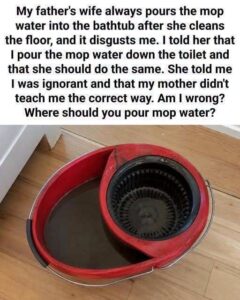
You’ve finished mopping the floors, removed the dirt, and made your home look fresh and clean. The furniture is back in place, the floor is drying, and you’re ready to put away your cleaning supplies. But one final question remains: where should you empty the bucket of dirty mop water? Should you pour it into the toilet or the bathtub? Although both options may seem convenient, choosing the right place can help prevent plumbing problems, reduce splashing, and keep your bathroom clean.
The answer depends on several factors, including the amount of dirt in the water, the cleaning products you used, and the drainage system in your home. In most households, a deep utility sink or laundry sink is the most convenient option. However, if you don’t have one, a bathtub or toilet may work for ordinary household mop water, provided the cleaning product’s disposal instructions allow it. Understanding the advantages and disadvantages of each option can help you finish your cleaning routine without creating another problem.
Why Dirty Mop Water Needs Careful Disposal
After cleaning your floors, the water in your bucket may contain much more than a little soap and dirt. It can include dust, hair, pet fur, crumbs, muddy residue, grease, and other particles collected from different surfaces around the house. Depending on the cleaning solution, it may also contain detergents, disinfectants, or other chemicals.
Pouring this mixture into an unsuitable drain can lead to several problems. Solid debris may accumulate in the plumbing, dirty water can splash onto nearby surfaces, and certain cleaning chemicals may be inappropriate for household drains or septic systems. Excessive amounts of mud or other solids can also settle inside pipes rather than flowing away easily.
The goal is to dispose of the water safely while minimizing mess and protecting your plumbing. Fortunately, a few simple precautions can make the process easier.
Option One: A Utility Sink Is Usually the Best Choice
If your home has a utility sink, laundry sink, or deep cleaning basin, this is generally the best place to start. These sinks are designed for practical household tasks that may be too messy for a kitchen or bathroom sink.
Their deeper basins provide more room for emptying a bucket, helping reduce splashing onto surrounding surfaces. They can also be more convenient when you’re working with a heavy bucket after cleaning several rooms.
Before pouring the water, remove any visible clumps of dirt, hair, or other solid material. Dispose of the collected debris in the appropriate waste bin rather than washing it into the drain. Then empty the bucket slowly, allowing the water to flow without overflowing the basin.
If the sink has a drain strainer, make sure it is correctly positioned. Afterward, rinse away any remaining residue and clean the basin if necessary.
A utility sink is not immune to blockages, so avoid treating it as a place for disposing of large quantities of mud, plaster, paint, or other materials that could damage or obstruct the plumbing.
Option Two: Is the Bathtub a Good Alternative?
If you don’t have a utility sink, the bathtub can be a practical alternative for ordinary mop water. Its wide basin offers enough room to position a bucket carefully, and the surrounding surfaces can usually be rinsed afterward.
However, the bathtub should be prepared before you empty the bucket. Remove visible debris from the mop water, check that the drain is clear, and consider using a suitable drain strainer to catch larger particles. Hair and pet fur can collect around the drain opening, potentially contributing to blockages over time.
Pour slowly rather than tipping the entire bucket over at once. This helps control the flow and reduces the chance of dirty water splashing onto the tub, walls, or bathroom floor.
Once the bucket is empty, rinse the bathtub thoroughly with clean water if the cleaning product’s instructions permit this. Pay particular attention to any dirt or residue left around the drain.
The bathtub is a reasonable option for routine household cleaning solutions that are approved for drain disposal. However, it should not be used to dispose of chemicals that the product label specifically prohibits from entering household drains.
Protect the Bathtub Drain From Dirt and Debris
One of the main concerns when emptying mop water into a bathtub is the material suspended in the water. Small amounts of ordinary household dirt will generally flow away with the wastewater, but larger particles can accumulate in the drain or plumbing.
Before pouring, allow heavy sediment to settle if necessary, then carefully remove the settled material for appropriate disposal. Avoid pouring large quantities of muddy water into the tub, particularly if the water contains sand, plaster, paint residue, or other substances that may settle inside pipes.
A drain catcher can help trap hair and larger debris, but it won’t remove dissolved cleaning chemicals or every fine particle. That is why removing solid material from the bucket beforehand remains an important step.
If you’re unsure whether a particular cleaning solution is suitable for drain disposal, check the label or contact the manufacturer instead of assuming that all liquid waste can safely go down the drain.
Should You Pour Dirty Mop Water Into the Toilet?
The toilet can also be an option when a utility sink is unavailable. It is designed to carry wastewater away through a drainage system, and ordinary mop water may be suitable for disposal when the cleaning product’s instructions permit it.
However, using the toilet has a practical disadvantage: pouring from a heavy bucket can be awkward. If you lift the bucket too high or tip it too quickly, dirty water may splash onto the toilet seat, bowl exterior, floor, or nearby walls.
To reduce this risk, lift only a manageable amount of water and pour slowly into the bowl. Keep the bucket close enough to control the flow without touching the toilet, and avoid adding large amounts of solid debris.
If necessary, divide a heavy bucket into smaller portions rather than attempting to empty everything at once. This makes the task easier to control and reduces the chance of spilling dirty water across the bathroom.
Afterward, inspect the surrounding area and clean any splashes. Wash your hands when you’re finished.
Why the Toilet Isn’t Always the Easiest Option
Although a toilet may be convenient, it isn’t automatically the best choice for every cleaning task. The main drawback is often the possibility of creating another mess immediately after finishing the floors.
A full bucket can be heavy and difficult to maneuver, especially in a small bathroom. Water may splash back, and carrying a bucket across the house can leave drips along the way.
The toilet also isn’t a suitable disposal point for every substance. Never flush solid waste, thick sludge, paint, solvents, or other materials simply because they are mixed with water. Some substances can obstruct pipes, damage plumbing, or create environmental problems.
Homes with septic systems require additional care. Certain chemicals may interfere with the system’s normal biological processes, depending on the product, concentration, and amount used. Follow the cleaning product’s directions and any applicable guidance for your septic system.
What About the Kitchen Sink?
Although the kitchen sink may seem convenient, it is generally better to keep dirty mop water away from food-preparation areas.
Kitchen sinks are frequently used for washing dishes, rinsing produce, and handling utensils. Pouring visibly dirty water into the basin can leave soil, hair, grease, and cleaning-product residue on surfaces used for food-related tasks.
A deep utility sink or another appropriate disposal point is usually preferable. If the kitchen sink is genuinely your only option, first confirm that the cleaning solution can be disposed of through the household drain, remove visible debris, and clean the basin thoroughly afterward. Use an appropriate sanitizing product when needed and follow its directions.
Whenever possible, keeping floor-cleaning waste separate from food-preparation areas makes household cleaning more straightforward.
What If the Mop Water Contains Bleach?
Extra caution is necessary when the bucket contains bleach or another disinfecting product. Always follow the manufacturer’s instructions for use, ventilation, dilution, and disposal.
Never mix bleach with vinegar, ammonia, acidic cleaners, or other cleaning products unless the manufacturer explicitly confirms that the combination is safe. Such mixtures can release dangerous gases. For example, bleach combined with acids can release chlorine gas, while bleach mixed with ammonia can produce hazardous chloramine gases.
If you’ve used a bleach-based floor cleaner, don’t add another product to the bucket in an attempt to neutralize it. Instead, follow the product label’s instructions for disposing of the remaining solution.
If the label permits household drain disposal, use an appropriate drain and rinse only as directed. If it prohibits drain disposal or you are dealing with a concentrated chemical, seek guidance from the manufacturer or your local waste-disposal service.
What About Strong Disinfectants and Specialized Cleaners?
Not every floor-cleaning product contains the same ingredients. Some are designed for routine household use, while others contain concentrated disinfectants or specialized chemicals that require particular handling.
Read the label before emptying the bucket, especially if you’ve used a concentrated solution, pesticide, solvent, or another potentially hazardous substance. Don’t assume that adding more water makes every chemical safe to dispose of through a household drain.
If the disposal instructions are unclear, contact the product manufacturer or local waste authority for advice. Following the recommended disposal method helps protect household plumbing, wastewater systems, and the environment.
The Final Verdict: Toilet or Bathtub?
For ordinary mop water from routine household cleaning, a deep utility sink is generally the most convenient choice. If one isn’t available, the bathtub is often a practical alternative because its wide basin makes controlled pouring easier.
The toilet can also work as a fallback when the cleaning product permits drain disposal, but care is needed to prevent splashing and spills.
Whichever option you choose, remember three simple rules: remove solid debris before pouring, empty the bucket slowly, and follow the cleaning product’s disposal instructions.
These small precautions can help protect your plumbing and keep your bathroom clean. After all, the final step of mopping should make your cleaning routine complete, not leave you with another mess to deal with.

Related Posts

Only the Sharpest Young Eyes Can Spot the Hidden Second Animal in This Elephant Picture — Can You Solve the Puzzle?
Can You Find the Hidden Animal? At first glance, this charming countryside illustration appears to show an ordinary elephant enjoying a peaceful day outdoors. The elephant stands…

This Charming Tudor Home Near Thompson Park in Ohio Offers Timeless Character, Elegant Interiors, and Remarkable Restoration Potential
A Classic Tudor Home With Distinctive Architectural Charm In East Liverpool, Ohio, near the green spaces of Thompson Park, a traditional Tudor-style home offers a glimpse into…

I Worked Beside My Father for 22 Years, but He Left My Brother 400 Acres and Gave Me Only an Old Feed Truck
The Day My Father’s Will Changed Everything When the attorney began reading my father’s will, I sat quietly in my chair, expecting to hear something about the…

Charming Tudor Home Near Thompson Park Offers Historic Character, Spacious Rooms, and Exciting Restoration Potential
Charming Tudor Home with Timeless Appeal Some houses stand out because of their modern features, while others capture attention through their history, distinctive architecture, and the promise…

Monkeys Test Narcissism: How Many Monkeys Can You Spot in This Viral Picture Personality Challenge?
Monkeys Test Narcissism: What Your Eyes Notice Might Surprise You At first glance, the image looks like a simple collection of cartoon monkeys arranged in a playful…
Silent Trap Beside Your Car: The Plastic Bottle Trick Drivers Should Know About to Stay Safe
Silent Trap Beside Your Car: A Simple Warning Every Driver Should Know Imagine getting into your car after a long day, starting the engine, and slowly pulling…