-
Imagine waking up to the sound of a nearby mountain stream, stepping onto a spacious wooden porch, and breathing in the cool air of the Appalachian Mountains. Surrounded by trees and natural beauty, a historic cabin can offer something increasingly difficult to find in modern life: privacy, simplicity, and a place to slow down.
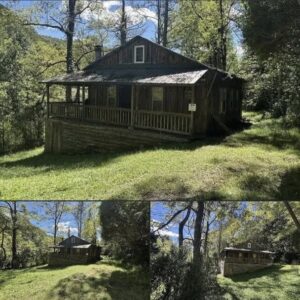
In Bryson City, North Carolina, a charming Appalachian cabin built in 1918 has attracted attention for its rustic character, wooded acreage, and reported asking price of $159,000. Set on approximately 2.5 acres, the property combines the atmosphere of an old mountain retreat with several updates intended to make the home more comfortable.
For buyers dreaming of a quiet weekend getaway, a modest mountain home, or a property surrounded by nature, this cabin presents an appealing picture of traditional Appalachian living. However, its age, heating arrangements, and rural setting also raise practical questions that prospective buyers should consider.
A Cabin With More Than a Century of History
Built in 1918, the cabin reflects an era when Appalachian homes were often designed around practicality, locally available materials, and the demands of mountain living.
Rather than relying on elaborate architectural features, traditional cabins typically emphasized sturdy construction, functional interiors, and a close relationship with the surrounding landscape.
This property preserves much of that rustic atmosphere. Its traditional appearance and natural setting give it a character that can be difficult to reproduce in newly constructed homes.
A house that has stood for more than a century can also tell a story about the people who lived there, the changing community around it, and the way homes were built before modern construction standards became widespread.
Nevertheless, age alone does not guarantee historical significance or structural soundness. Anyone considering purchasing an older property should investigate its maintenance history, foundation, framing, electrical systems, plumbing, and any previous renovations.
Inside the Cabin: Rustic Character and Comfortable Living
According to the supplied property description, the cabin contains two bedrooms, one bathroom, a vaulted living room, and an open loft.
The vaulted living room is an especially appealing feature. By extending upward toward the roofline, it can create a more spacious atmosphere than the cabin’s modest footprint might suggest.
A stone fireplace adds another traditional element. In a mountain home, a fireplace can provide warmth during cold weather while creating a natural gathering place for family and friends.
The open loft offers additional flexibility. Depending on its layout, ceiling height, access, and local building requirements, it might serve as a reading nook, hobby area, or supplementary sleeping space.
However, buyers should not assume that an open loft qualifies as a legal bedroom. Its permitted use depends on applicable safety and building requirements.
The two-bedroom layout may suit a couple, a small family, or someone seeking a manageable second home. Those who regularly host large groups, work remotely, or need substantial storage should consider whether the available space meets their needs.
Modern Updates in an Older Home
Although the cabin dates to 1918, the description identifies several improvements made over the years.
These reportedly include a metal roof, updated insulation, new siding, and refreshed flooring and ceilings.
A metal roof can be a practical choice for a mountain property when properly installed and maintained. Updated insulation may also improve comfort and reduce heating demands, although the actual benefit depends on the quality of installation and the condition of the rest of the building envelope.
New siding and interior finishes can improve the appearance of an older house, but cosmetic updates do not necessarily reveal the condition of concealed structural components.
Before purchasing a century-old cabin, a buyer should arrange a professional inspection and ask about the age and condition of the roof, the presence of moisture or wood damage, the electrical wiring, the plumbing, and the heating equipment.
It is also worth determining whether past additions and renovations were completed with any permits required by local authorities.
These checks can help distinguish a well-maintained historic home from a property that may require substantial additional investment.
Two and a Half Acres of Mountain Privacy
One of the cabin’s most attractive reported features is its approximately 2.5 acres of wooded land.
For someone accustomed to a crowded neighborhood or a small suburban yard, that amount of acreage can offer a welcome sense of space.
The property may provide room for outdoor seating, gardening, nature observation, or simply enjoying the quiet surroundings. The trees can create a feeling of seclusion, while a nearby stream adds to the appeal of the mountain landscape.
The nearly wraparound porch is another highlight. A porch can become an extension of the living space, offering a place to enjoy morning coffee, read in the afternoon, or watch the changing colors of the seasons.
However, wooded acreage also comes with responsibilities. Fallen branches, drainage, erosion, vegetation management, and access to the property may require regular attention.
Buyers should also establish the exact property boundaries and determine whether the stream is located within the parcel. If the land is near a waterway, it is important to investigate flood exposure, drainage conditions, applicable environmental restrictions, and any relevant easements.
A wooded property can provide privacy, but it should not be assumed to be entirely isolated or free from neighboring rights and access arrangements.
Near the Great Smoky Mountains
Bryson City is located in western North Carolina, an area known for mountain scenery, forested landscapes, rivers, and access to outdoor recreation.
The region’s proximity to Great Smoky Mountains National Park makes it appealing to people who enjoy hiking, wildlife observation, photography, fishing, and scenic drives.
For cabin owners, the surrounding area can provide opportunities to spend time outdoors without needing to travel to a distant destination.
The region also experiences seasonal weather changes. Winters can bring cold temperatures, while heavy rainfall can affect mountain roads, streams, slopes, and drainage systems.
Anyone considering a full-time move or a seasonal retreat should investigate road access during poor weather, mobile phone coverage, internet availability, and the distance to groceries, healthcare, and other essential services.
The exact location of the property matters, too. A listing described as being near the national park does not necessarily mean that the cabin is within walking distance of a park entrance or trailhead.
Heating, Cooling, and Everyday Comfort
The cabin’s reported lack of central air conditioning may be an important consideration for buyers unfamiliar with mountain homes.
Temperatures in the region vary throughout the year, and summer conditions can still become warm and humid. The amount of shade, air circulation, window placement, and insulation will influence indoor comfort.
Potential buyers may wish to investigate whether ceiling fans, portable air conditioners, or a suitable alternative cooling system would meet their needs.
Heating is another important factor. The property description indicates that the cabin relies on wood and propane rather than a conventional central heating system.
For people who appreciate traditional mountain living, a wood-burning fireplace or stove can contribute to the atmosphere. Nevertheless, wood heating requires fuel, maintenance, and safe operation.
Buyers should confirm which appliances are actually installed, whether they are approved for use, and whether chimneys, flues, ventilation, and carbon monoxide detectors meet applicable safety requirements.
Propane systems should also be inspected by qualified professionals. The cost of heating will depend on the cabin’s insulation, the equipment used, local fuel prices, and how frequently the home is occupied.
Before making an offer, it would be sensible to request utility information and estimate the cost of maintaining the property throughout the year.
Is a $159,000 Mountain Cabin a Good Opportunity?
The reported asking price of $159,000 may attract buyers looking for an alternative to more expensive homes, but a listing price alone cannot establish whether a property represents good value.
The property’s actual condition, location, legal status, access, utilities, and recent comparable sales all matter.
A prospective buyer should also budget for insurance, property taxes, maintenance, potential repairs, and any improvements needed to make the cabin suitable for year-round living.
Because the home was built in 1918, a thorough inspection is particularly important. The cost of correcting structural issues, updating electrical systems, replacing plumbing, or improving heating can significantly affect the overall purchase cost.
It is also essential to confirm the current asking price and availability with the listing agent. The price and property details described here have not been independently verified, and real estate listings can change.
Who Might Enjoy This Appalachian Retreat?
This cabin could appeal to people who value natural surroundings more than extensive modern amenities.
A couple looking for a weekend escape might appreciate the wooded acreage and cozy interior. An outdoor enthusiast could enjoy having a base near mountain trails and scenic drives. Someone seeking a quieter lifestyle might be drawn to the porch, fireplace, and traditional architecture.
On the other hand, buyers who require central air conditioning, extensive living space, minimal maintenance, or convenient access to urban services may find the property less suitable.
The best choice depends on how the cabin would actually be used, whether for occasional visits, seasonal stays, or permanent residence.
Final Thoughts
This reported 1918 Appalachian cabin in Bryson City offers an appealing combination of rustic architecture, two bedrooms, a stone fireplace, a nearly wraparound porch, and approximately 2.5 acres of wooded land.
Its reported $159,000 asking price may make it worth investigating for buyers interested in a modest mountain property, particularly those who appreciate traditional homes and outdoor living.
Still, its age, heating arrangements, lack of central air conditioning, and rural setting deserve careful consideration. A professional inspection, review of property records, confirmation of utilities and access, and comparison with similar local sales are essential steps before committing to a purchase.
For the right buyer, the greatest attraction may not be luxury or modern convenience. It may be the opportunity to sit on a quiet porch, listen to the trees moving in the breeze, and enjoy a slower pace of life in the Appalachian Mountains.