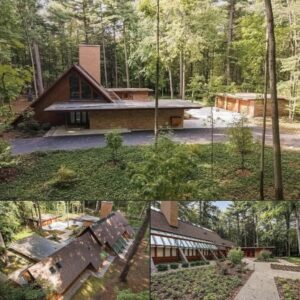
A restored mid-century modern home in Midland, Michigan, showcases the timeless architectural vision of Alden B. Dow, one of the region’s most influential architects. Known for his innovative approach to residential design, Dow created buildings that combined functionality, simplicity, and a deep appreciation for the natural environment. His architectural philosophy continues to inspire homeowners, designers, and preservation enthusiasts who value the relationship between modern living and thoughtful design.
This restored property offers a glimpse into the principles that made mid-century modern architecture so distinctive. Rather than relying on elaborate ornamentation or decorative details, the home emphasizes clean lines, geometric forms, carefully arranged spaces, and natural materials. Every element contributes to an overall design that feels balanced, welcoming, and connected to its surroundings.
The Architectural Vision of Alden B. Dow
Alden B. Dow was widely recognized for his distinctive approach to architecture, which emphasized the importance of designing buildings that responded to their environments. Working primarily in Midland, he developed a style that blended modern architectural principles with organic forms, natural light, and practical layouts.
Dow believed that a building should be more than a structure placed on a piece of land. It should interact with the landscape, complement its surroundings, and create a comfortable experience for the people who use it.
His designs often featured strong horizontal lines, unusual geometric shapes, and carefully considered transitions between indoor and outdoor spaces. These elements helped establish a visual connection between the home and its natural setting.
The restored home reflects this philosophy through its thoughtful proportions and restrained appearance. Its architectural character demonstrates how simplicity can create a powerful visual impression without unnecessary decoration.
Clean Lines and Geometric Design
One of the most recognizable features of mid-century modern architecture is its emphasis on clean lines and geometric shapes. These design elements create a sense of order while allowing the structure itself to become the main visual attraction.
In a home inspired by Dow’s architectural principles, walls, rooflines, windows, and structural elements work together to establish a cohesive appearance. Instead of hiding every architectural feature behind decorative finishes, the design allows the form and materials to speak for themselves.
The result is an environment that feels organized without becoming rigid or unwelcoming.
Geometric forms also help define different areas of the home. Changes in ceiling height, the arrangement of walls, and the placement of windows can create visual interest while maintaining a practical layout.
This approach demonstrates that architectural beauty does not necessarily require complicated details. Sometimes, the careful arrangement of basic forms can create a more memorable and enduring result.
Natural Light and the Outdoors
Natural light plays an important role in mid-century modern design. Large windows and strategically positioned openings allow daylight to enter the home, making interior spaces feel brighter and more connected to the surrounding landscape.
In Midland, Michigan, where seasonal changes dramatically affect the appearance of the outdoors, this relationship with nature can be especially meaningful. Trees, gardens, changing foliage, and variations in natural light can become part of the home’s visual experience.
Rather than treating windows as simple openings in a wall, modernist architects often used them as architectural features that frame views and strengthen the connection between indoor and outdoor environments.
The careful placement of windows can also reduce the need for artificial lighting during daylight hours. When combined with an appropriate floor plan, natural light helps create spaces that feel comfortable and inviting.
This emphasis on daylight remains relevant today, as homeowners increasingly value interiors that feel open, peaceful, and connected to the environment.
Natural Materials and Functional Spaces
Mid-century modern homes often incorporate materials such as wood, stone, brick, and glass. These materials introduce texture and warmth while supporting the architectural style’s straightforward appearance.
Wood can soften the visual effect of geometric forms, while stone and brick provide texture and a sense of permanence. Glass allows natural light to travel through interior spaces and creates opportunities for views of the landscape.
The combination of these materials can produce a home that feels modern without appearing cold or impersonal.
Functionality is equally important. Mid-century modern architecture developed during a period when many designers were reconsidering how homes could better support everyday life. Efficient circulation, practical storage, comfortable living areas, and thoughtful connections between rooms became important design considerations.
In a well-planned home, these features work together to make daily routines easier while maintaining a consistent architectural identity.
The restored property demonstrates the enduring appeal of this approach. Its significance lies not simply in its appearance, but in the way architectural decisions can influence the experience of living within a space.
Preserving Historic Character
Restoring a mid-century modern home requires a careful balance between preservation and contemporary comfort. Historic properties may need updated electrical systems, plumbing, insulation, heating, cooling, and other essential improvements to meet modern expectations.
However, renovations can also unintentionally remove the very features that make these homes distinctive.
Replacing original windows without considering their proportions, covering natural materials, or changing important architectural details can weaken a home’s historic character. Successful restoration therefore begins with understanding which elements define the building’s original design.
Where possible, original materials and architectural features should be repaired rather than automatically replaced. When replacements are necessary, appropriate materials and carefully considered details can help preserve the home’s visual integrity.
Modern improvements can still be introduced without overwhelming the original design. Updated lighting, discreet technology, improved energy efficiency, and carefully selected furnishings can make a historic home more comfortable while respecting its architectural heritage.
The goal is not to freeze a property in the past, but to allow it to remain useful and relevant without losing its identity.
Midland’s Architectural Heritage
Midland holds a special place in the history of American modern architecture because of Alden B. Dow’s lasting influence on the city. His work helped establish an architectural identity that continues to attract visitors and inspire appreciation for thoughtful residential design.
The area’s architectural heritage illustrates how individual designers can shape the character of a community. Buildings become more than private residences; they also contribute to the visual history and cultural identity of the places where they stand.
Preserving these properties allows future generations to experience the ideas, materials, and design principles that shaped an important period in architectural history.
Restored homes also demonstrate the value of investing in existing buildings rather than assuming that older structures have become irrelevant. With careful maintenance and appropriate updates, many historic homes can continue serving their owners for decades.
A Timeless Approach to Modern Living
The restored mid-century modern home in Midland represents an architectural philosophy that remains appealing long after its original period. Its emphasis on clean lines, practical spaces, natural materials, and a strong relationship with the outdoors reflects principles that continue to influence contemporary residential design.
Its lasting appeal comes from the balance between visual simplicity and everyday functionality. Rather than following short-lived decorative trends, this architectural approach focuses on qualities that remain valuable over time: comfort, natural light, thoughtful proportions, and a sense of harmony with the environment.
Alden B. Dow’s legacy reminds us that good architecture should improve the experience of everyday life while respecting the world around it.
Through careful restoration, homes like this can preserve their historical character while continuing to meet modern needs. They offer a meaningful connection between past and present, demonstrating that thoughtful design can remain relevant across generations.
Ultimately, the beauty of mid-century modern architecture lies not only in its distinctive appearance, but also in its ability to make a home feel practical, peaceful, and naturally connected to its surroundings.