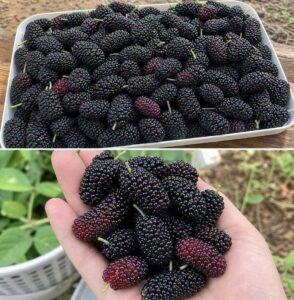
At first glance, mulberries can easily be mistaken for blackberries. Their dark colors, juicy appearance, and clustered shapes make them look remarkably similar, especially when they are fully ripe. However, these two fruits have several important differences that become easier to recognize when you look closely. From their botanical structure to the way they grow on plants, mulberries have distinctive characteristics that make them fascinating additions to gardens, fruit bowls, and everyday meals.
Whether you have spotted them growing on a tree, discovered them at a farmers’ market, or encountered them in a photograph, learning to identify mulberries can help you appreciate their appearance, flavor, and nutritional qualities.
What Do Mulberries Look Like?
Mulberries are small fruits that typically grow on trees belonging to the Morus genus. Depending on the species and variety, they can appear white, cream-colored, red, deep purple, or almost black when ripe.
One of their most recognizable characteristics is their elongated shape. Unlike many berries that form a relatively rounded cluster, mulberries often resemble tiny, stretched-out collections of juicy segments. Their surfaces consist of numerous small fruit units arranged closely together, giving them a textured appearance.
Black mulberries, in particular, can look similar to blackberries because both develop dark, glossy colors as they ripen. However, mulberries are often longer and softer, with a more delicate structure.
The color of a mulberry can also change as it develops. Some varieties begin with lighter shades before gradually becoming red, purple, or nearly black. Other varieties remain pale even when ripe.
These differences make mulberries visually interesting, especially when several varieties grow together.
Mulberries vs. Blackberries: How Can You Tell Them Apart?
Although mulberries and blackberries may look alike, several clues can help you distinguish between them.
1. The plant they grow on
The most important difference is where the fruits grow. Mulberries develop on trees, while blackberries grow on brambles, which are shrubs with long, arching canes.
If you see dark, elongated fruits hanging from the branches of a tree, they may be mulberries. If you find similar fruits growing on thorny or thornless canes, they are more likely to be blackberries.
2. Their overall shape
Mulberries are often elongated and cylindrical, although their exact appearance varies by variety. Blackberries are generally more rounded or oval, with a prominent cluster of individual drupelets.
Both fruits consist of multiple small sections, so shape alone is not always enough to identify them confidently.
3. Their texture
Ripe mulberries tend to be particularly soft and fragile. They can release juice easily when handled and may become crushed during transportation.
Blackberries are also delicate, but many varieties hold their shape somewhat better when freshly picked. Their texture depends on ripeness and growing conditions.
4. Their flavor
Mulberries often have a mild sweetness that can include subtle honey-like or earthy notes. Blackberries typically combine sweetness with a more noticeable tartness, although ripe varieties can also be very sweet.
Taste is not a reliable identification method by itself, since both fruits vary considerably according to variety and growing conditions.
The Different Colors of Mulberries
Mulberries are available in several natural color varieties, each with its own appearance and flavor characteristics.
White mulberries may appear cream, pale yellow, or light pink when ripe. They are often relatively sweet and have a mild flavor.
Red mulberries can range from reddish shades to deep purple. Their flavor may be sweet with a refreshing, slightly tangy quality.
Black mulberries generally develop a rich purple-black color when mature. They are often prized for their intense fruitiness, although sweetness and acidity vary.
These color differences are partly related to the natural pigments present in the fruit. Anthocyanins contribute to the red, purple, and blue hues found in many plants, including numerous dark-colored berries.
Scientists study these compounds because of their antioxidant activity. However, their presence should not be interpreted as proof that eating mulberries prevents or cures particular diseases.
Each variety offers its own combination of color, flavor, and texture, making mulberries an appealing choice for anyone interested in exploring different fruits.
Nutritional Benefits of Mulberries
Mulberries provide several nutrients that support normal bodily functions and can contribute to a balanced diet.
Dietary fiber helps support healthy digestion and can contribute to regular bowel movements. Eating a variety of fiber-containing fruits, vegetables, legumes, and whole grains is a practical way to improve overall dietary quality.
Vitamin C supports normal immune function, collagen formation, and wound healing. It also helps the body absorb iron from plant-based foods.
Potassium is an essential mineral involved in nerve signaling, muscle function, and the regulation of normal blood pressure.
Mulberries also contain naturally occurring plant compounds, including polyphenols, that have attracted scientific interest because of their antioxidant properties.
The precise nutritional composition depends on the variety, growing conditions, and whether the fruit is fresh or dried. Dried mulberries are more concentrated than fresh ones because much of their water has been removed. Consequently, they generally provide more calories and natural sugars per gram.
Rather than viewing mulberries as a miracle food, it is more useful to consider them one nutritious option among many fruits that can contribute to a varied diet.
How to Enjoy Mulberries in Everyday Meals
One of the best things about mulberries is their versatility. Their natural sweetness makes them suitable for both simple snacks and more elaborate recipes.
Fresh mulberries can be washed gently and eaten on their own. They can also be sprinkled over oatmeal, mixed into yogurt, or added to fruit salads for extra color and flavor.
For breakfast, try combining mulberries with plain yogurt, rolled oats, and chopped nuts. This creates a meal that brings together fruit, fiber, protein, and healthy fats.
Mulberries can also be blended into smoothies with bananas, milk, or plant-based alternatives. Their juice adds a rich color, especially when using darker varieties.
In desserts, mulberries work well in muffins, cakes, crumbles, and homemade pies. Their sweetness pairs nicely with ingredients such as lemon, vanilla, cinnamon, and almonds.
If you have a large harvest, consider making mulberry jam, fruit sauce, or a simple compote. Cooking softens the fruit further and allows its juices to create a flavorful topping for pancakes, porridge, or desserts.
Because ripe mulberries are fragile, handle them gently and refrigerate them soon after picking or purchasing. Wash them just before eating, and discard any fruit that appears moldy or spoiled.
Growing and Finding Mulberries
Mulberry trees grow in many regions of the world, although the species and varieties found in a particular location depend on climate and local growing conditions.
Some mulberry trees are cultivated primarily for their fruit, while others are grown for shade or ornamental purposes. Certain species have also played an important role in traditional silk production because their leaves provide food for silkworms.
If you discover a mulberry tree outdoors, take care when identifying its fruit. Never assume a wild berry is safe to eat based only on its color or resemblance to a familiar fruit. Confirm the plant’s identity before consuming anything collected from the wild.
Final Thoughts
Mulberries may resemble blackberries, but their tree-growing habit, often elongated shape, delicate texture, and range of natural colors make them distinctive.
They offer a pleasant combination of sweetness, juiciness, fiber, vitamins, minerals, and plant compounds. Their versatility also makes them easy to enjoy in breakfasts, snacks, desserts, and homemade preserves.
The next time you encounter a cluster of tiny, dark fruits, look beyond their color. Notice the shape, examine the plant they grow on, and consider how their structure differs from that of blackberries.
Sometimes, the smallest differences reveal the most interesting discoveries. Mulberries are a perfect example of how an ordinary-looking fruit can offer a surprising combination of botanical variety, culinary possibilities, and nutritional value.