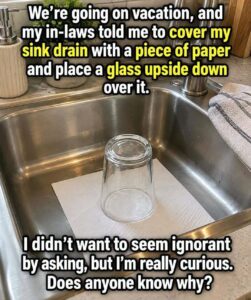
Before leaving for vacation, most people focus on packing their bags, arranging transportation, locking doors, and making sure their home is secure. But there is another small household detail that sometimes gets overlooked: the kitchen and bathroom sinks.
You may have heard that covering your sink before leaving home can prevent unpleasant odors, stop insects from entering, or keep your plumbing fresh while you are away. The advice sounds simple, but is it actually necessary?
The truth is that covering your sink before vacation is optional, not an essential household rule. A clean sink and properly functioning plumbing are generally much more important than placing a cover over the basin or drain.
Still, taking a few minutes to prepare your sinks before a trip can help prevent certain problems. Understanding how household drains work can help you decide which precautions make sense for your home.
Why Do Some People Recommend Covering the Sink Before Vacation?
The main reason is to keep unwanted smells, insects, and debris away while the house is empty.
Kitchen sinks regularly come into contact with food scraps, grease, oils, and other materials. Bathroom sinks collect soap residue, toothpaste, hair, and everyday debris. Over time, some of this material can accumulate inside the drain and contribute to unpleasant smells.
When a home remains closed for several days, a lingering odor may become more noticeable when you return. This can lead people to believe that covering the sink is the solution.
A drain stopper or cover may help keep dust and some insects out of the opening. It can also reduce the escape of certain odors if the drain is not properly sealed.
However, covering the opening does not remove the underlying cause of a smell. If food particles, grease, or other residue have accumulated inside the drain, a cover will not clean them away.
The more effective approach is to clean the sink, remove visible debris, and address any existing plumbing problems before leaving.
How Your Sink’s P-Trap Helps Keep Sewer Smells Away
One important part of household plumbing is the P-trap, the curved section of pipe usually found beneath a sink.
<AsyncImage query=”household bathroom sink plumbing P-trap curved pipe underneath sink” aspectRatio=”5:4″ width=”100%”/>
Its shape allows a small amount of water to remain inside the pipe after the sink drains. This water forms a barrier that helps prevent sewer gases from entering your home through the drain.
Under normal conditions, this water seal should remain effective during an ordinary vacation lasting several days or a week.
That means most people do not need to cover every sink simply because they will be away for a short trip.
There are exceptions, however. A rarely used drain, a leaking trap, or a plumbing ventilation problem may allow odors to develop. In some circumstances, the water in a trap can also evaporate during a prolonged period without use, particularly in warm conditions.
If you notice a persistent sewer-like smell before leaving, it is better to investigate the cause rather than assume a cover will solve the problem.
For a normally functioning sink, keeping the trap filled with water and ensuring that the drain is clean are generally more useful precautions than covering the entire basin.
Can Covering the Drain Keep Insects Out?
In some circumstances, a properly fitted drain stopper may help reduce the chance of insects entering through the drain opening. A cover over the basin can also keep debris from falling inside.
However, neither measure provides complete protection against household pests.
Insects may enter through gaps around windows, doors, pipes, or other openings. Some pests can also breed in the organic residue that accumulates in drains, depending on the species and the conditions present.
Drain flies, for example, can develop in the moist organic film found inside certain drains. Covering the opening temporarily may make it harder for adult insects to emerge, but it does not remove the material in which they breed.
For that reason, cleaning the drain and addressing an existing pest problem are more useful long-term measures than relying on a sink cover alone.
If you have noticed small flies around a kitchen or bathroom sink, inspect the drain for buildup and consider whether the insects are actually coming from it. Thoroughly cleaning the drain’s interior may help eliminate the conditions that support them.
Simply covering the opening may temporarily conceal the problem without resolving it.
What About the Water Left in the Sink?
Some people worry that leaving a sink uncovered will allow water to evaporate or cause the drain to dry out.
In reality, covering the basin is not usually necessary to preserve the water inside the P-trap. The water seal is located inside the plumbing beneath the sink, rather than in the visible basin.
A clean, dry sink can therefore be left uncovered without normally creating a problem during a short absence.
If you are planning a much longer trip, checking rarely used drains may be worthwhile. Running water briefly into a little-used sink before leaving can help replenish the water seal.
If an odor persists or the trap appears to be losing water repeatedly, a plumber can help identify the cause.
Should You Cover the Kitchen Sink Before Leaving?
The kitchen sink deserves a little attention before a vacation because food residue and grease can create unpleasant smells.
Start by removing food scraps from the strainer and cleaning the basin with an appropriate household cleaner. Wipe away grease around the drain and rinse away loose debris.
If your sink has a removable strainer, empty and clean it before leaving. Avoid pouring cooking oil or grease down the drain, as these substances can accumulate inside pipes and contribute to blockages.
You can leave the sink uncovered if it is clean and your plumbing is functioning properly. If you prefer to use a stopper, make sure the basin is not left full of standing water.
It is also sensible to check beneath the sink for visible leaks and ensure that the cabinet area is dry.
These simple steps can help reduce the likelihood of returning to an unpleasant smell or discovering a small plumbing problem that has gone unnoticed.
What Should You Do With Bathroom Sinks?
Bathroom sinks require similar preparation, although the main concerns are usually soap residue, toothpaste, hair, and moisture.
Remove visible debris from the drain opening and clean the basin before leaving. If hair tends to collect around the stopper, remove it and clean the accessible parts according to the manufacturer’s instructions.
Wipe the surrounding countertop and faucet to remove water spots and residue.
A drain stopper can be useful if you want to prevent objects or debris from falling into the drain. However, there is usually no need to seal the entire basin simply because you will be away for a few days.
If your bathroom has a recurring drain odor, slow drainage, or signs of insects, address the problem before your trip rather than relying on a cover.
Persistent sewer odors deserve particular attention because they may indicate a dry trap, a damaged plumbing component, or another ventilation issue.
A Simple Sink Checklist Before Vacation
Before heading out the door, spend a few minutes checking the following:
- Clean both sinks: Remove food scraps, hair, soap residue, and visible debris.
- Check the drains: Make sure water flows normally and there are no obvious signs of blockage.
- Run water briefly: Replenish the water seals in rarely used drains.
- Inspect for leaks: Check beneath each sink for moisture, dripping pipes, or unusual smells.
- Remove standing water: Do not leave a basin filled with water unnecessarily.
- Use a stopper if desired: Treat it as an optional precaution, not a replacement for cleaning.
- Address existing problems: Arrange repairs if you notice persistent odors, recurring insects, or drainage issues.
If you will be away for an extended period, consider whether your home needs additional preparation based on the climate, plumbing system, and any existing maintenance concerns.
Avoid pouring bleach, pesticides, or other harsh chemicals into drains simply as a precaution. These products may damage certain plumbing components or create safety hazards when mixed with other cleaners. Follow product instructions and use appropriate methods for the specific problem.
Final Verdict: Is Covering Your Sink Necessary?
For most households, covering the kitchen or bathroom sink before a short vacation is optional. It may help keep some debris or insects out, but it will not solve a dirty drain, repair a leaking pipe, or reliably prevent sewer odors caused by plumbing problems.
A clean basin, a functioning drain, and a water-filled P-trap are generally more important than whether the opening is covered.
Before leaving, remove food scraps, clean away residue, check for leaks, and run water into drains that are rarely used. If you already have persistent odors or drain insects, investigate the cause rather than relying on a cover.
These small precautions can help you leave home with greater peace of mind and reduce the chances of returning to an unpleasant surprise.
Sometimes, the best home-protection habits are not complicated tricks. They are simple maintenance steps that keep everyday household systems working as they should.