Your Favorite Sleeping Position Might Reveal More About Your Personality Than You Ever Realized
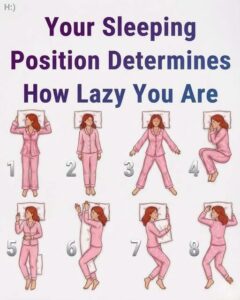
Have you ever looked at the way you sleep and wondered whether it reflects something about your personality? People naturally settle into different positions at night, from lying flat with their arms near the pillow to curling tightly into a comfortable ball. Some playful personality lists even assign “laziness” scores to these positions. Arms-up sleepers are described as independent, active-minded people, while straight sleepers are associated with routine and reliability.
Starfish sleepers supposedly prefer maximum comfort, while curled-up sleepers are portrayed as thoughtful and selective about where they spend their energy. Side sleepers and pillow huggers add even more variety to the list.
But these amusing descriptions raise an interesting question: does your sleeping position really reveal how lazy you are, or could the explanation behind your favorite position be something entirely different?
Let’s explore six common sleeping positions, the personality traits traditionally associated with them, and what your nighttime habits may actually tell you.
1. The Fetal Position: The Comfort Seeker

Do you sleep curled up on your side, with your knees drawn toward your chest? If so, you’re in good company. The fetal position is one of the most common sleeping positions.
In popular personality descriptions, people who sleep this way are often portrayed as sensitive, thoughtful, and protective of their emotions. They may appear confident during the day but appreciate having a comfortable, familiar environment where they can relax.
You might enjoy close relationships but take your time before trusting someone completely. You may also appreciate quiet evenings, familiar routines, and the feeling of being safe and settled.
Does this mean you’re shy or emotionally guarded? Not necessarily. Your sleeping position cannot reliably reveal those traits. Many people curl up simply because the position feels comfortable or helps them maintain warmth.
From a physical perspective, side sleeping can be helpful for some people, particularly those who experience snoring or certain symptoms of sleep apnea. However, comfort and individual medical circumstances matter more than personality interpretations.
2. The Starfish Position: The Comfort Lover

The starfish sleeper lies on their back with their arms spread near the pillow and their legs relaxed outward.
According to playful personality theories, people who choose this position enjoy comfort and may be generous, welcoming, and willing to help others. They might be the friend who listens patiently, offers practical support, and makes everyone feel included.
Some descriptions also portray starfish sleepers as people who enjoy taking up space and feeling completely relaxed in their surroundings.
But there’s no scientific basis for assigning a generosity or laziness score to this position.
In reality, sleeping on your back may feel comfortable because it distributes your weight across the mattress. For some people, however, this position can worsen snoring or obstructive sleep apnea. If you regularly wake up gasping, feel excessively sleepy during the day, or have persistent loud snoring, consider discussing these symptoms with a healthcare professional.
The takeaway: Enjoying a spacious sleeping position says more about your physical comfort than it does about how much effort you put into life.
3. The Log Position: The Routine Lover

Log sleepers lie on their sides with their bodies relatively straight and their arms resting alongside their bodies.
Popular personality descriptions associate this position with reliability, patience, and a preference for predictable routines. People who identify with this description may enjoy keeping their commitments, organizing their schedules, and knowing what to expect.
Perhaps you like arriving on time, completing tasks before deadlines, or planning your week in advance. You may feel most comfortable when your responsibilities are clearly defined.
However, your sleeping position doesn’t prove that you’re organized or dependable. These qualities are better understood through your everyday choices and behavior.
From a sleep perspective, lying on your side can be a comfortable option for many people. Some find that it helps reduce snoring compared with sleeping on their backs, although results vary.
If you naturally settle into this position and wake feeling rested, there may be no reason to change it.
4. The Arms-Up Position: The Independent Thinker

Some people sleep on their backs with both arms raised beside their head or with their hands resting near their pillow.
In entertaining personality lists, these sleepers are often described as independent, curious, and comfortable with their own company. They may enjoy learning new things, exploring different ideas, and making decisions without constantly seeking approval.
You might recognize yourself as someone who values freedom and prefers to discover solutions independently. Perhaps you enjoy having personal space and appreciate relationships that allow both people to maintain their individuality.
Still, there’s no reliable evidence that raising your arms while sleeping reveals independence or intelligence.
The position may simply feel natural, particularly if you move your arms around while settling into sleep.
One practical consideration is that keeping your arms raised for long periods may contribute to numbness, tingling, or shoulder discomfort in some people. If you frequently wake with these symptoms, try adjusting your arm position or pillow support. Persistent symptoms deserve medical attention.
5. The Pillow Hugger: The Affectionate Companion

Do you find it difficult to fall asleep without hugging a pillow?
Pillow huggers often appear in popular personality lists as affectionate, caring, and emotionally connected people. These descriptions suggest that they appreciate closeness, value meaningful relationships, and find comfort in familiar objects.
If you enjoy hugging a pillow, you may simply like the physical sensation of having something against your chest or between your arms. It can provide support for your shoulders and help keep your upper body in a comfortable position.
Some side sleepers also place a pillow between their knees to reduce pressure on their hips and lower back.
Although hugging a pillow doesn’t prove that you’re especially romantic or emotionally sensitive, it can be part of a relaxing bedtime routine.
There’s absolutely nothing unusual about using a pillow for comfort. Adults, just like children, can find familiar textures and gentle pressure soothing.
A little reminder: Comfort doesn’t have to be justified by a personality trait. If something helps you sleep well, that’s a perfectly good reason to enjoy it.
6. The Stomach Sleeper: The Determined Individual

Stomach sleepers lie face-down, usually turning their heads to one side and positioning their arms around the pillow.
Some popular interpretations describe stomach sleepers as determined, energetic, outspoken, or strongly motivated. They may be portrayed as people who prefer taking control rather than waiting for others to make decisions.
If you identify with these qualities, you may enjoy setting ambitious goals and working steadily toward them.
However, the position itself cannot tell us whether you’re assertive, competitive, or persistent. Those characteristics depend on much more than how you arrange your body at night.
Stomach sleeping can also place additional strain on the neck because the head generally has to remain turned to one side. Depending on your mattress and posture, it may contribute to neck or back discomfort.
If you regularly wake up sore, experimenting with side sleeping or adjusting your pillow may help. You don’t need to force yourself into a different position if you sleep comfortably, but persistent pain should be assessed.
Does Your Sleeping Position Really Reveal Your Personality?
The honest answer is that your favorite sleeping position is not a scientifically reliable personality test.
Although researchers study sleep posture and its relationship to comfort, breathing, and certain health conditions, there is insufficient evidence to conclude that a particular position reliably identifies traits such as laziness, generosity, confidence, or intelligence.
People also change positions throughout the night. You might fall asleep curled up, roll onto your back, and wake on your side without realizing it.
Your preferred position can be influenced by several practical factors:
-
Comfort and habit: You may naturally return to a position you’ve used for years.
-
Physical health: Back pain, shoulder discomfort, pregnancy, and other circumstances can influence how you sleep.
-
Breathing: Some people find that sleeping on their side helps with snoring or certain sleep-related breathing problems.
-
Temperature: Curling up or spreading out can change how much body heat you retain.
-
Your sleep environment: Your mattress, pillows, and available space may influence your posture.
These factors provide more plausible explanations for your sleeping habits than a simple personality label.
The Bottom Line
Your favorite sleeping position can be an entertaining starting point for self-reflection, but it doesn’t define who you are.
Perhaps you sleep curled up because you appreciate comfort. Maybe you hug a pillow because it helps support your body. Or perhaps you stretch across the bed because that’s simply how you feel most relaxed.
None of these habits makes you lazy, weak, overly sensitive, or unusually independent.
What matters much more is whether you sleep well, wake feeling rested, and feel comfortable throughout the night.
If your sleeping position causes persistent pain, numbness, or breathing difficulties, pay attention to those physical signs rather than personality descriptions.
And remember: your personality is revealed far more meaningfully by how you treat others, respond to challenges, and make everyday decisions than by the position you happen to choose when you close your eyes.
Now we’re curious: Which position do you usually sleep in—the fetal, starfish, log, arms-up, pillow-hugging, or stomach position? Does the playful description sound like you, or is it completely different?