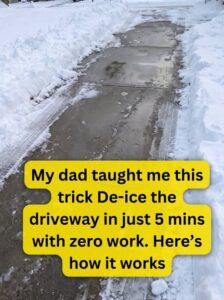
How to Safely De-Ice Your Walkways This Winter
Winter can transform an ordinary driveway, garden path, or front step into a dangerous slipping hazard overnight. Snow may look harmless, but when temperatures drop, melted snow can refreeze into a thin, nearly invisible layer of ice. Even a few slippery steps can lead to painful falls, making winter walkway maintenance essential for homeowners, families, and anyone responsible for outdoor spaces.
Fortunately, you don’t need expensive equipment or large quantities of chemicals to make your walkways safer. With regular snow removal, the right de-icing products, and a few preventive measures, you can reduce ice buildup while protecting your concrete, pets, plants, and surrounding environment.
1. Remove Fresh Snow Before It Freezes
One of the simplest ways to prevent dangerous ice is to remove snow as soon as it is practical.
Fresh snow is generally easier to shovel than snow that has been compressed by footsteps or partially melted and refrozen. Leaving it in place can create a hard, slippery layer that becomes increasingly difficult to remove.
Use a snow shovel or snow pusher to clear paths, steps, entrances, and frequently used sections of your driveway. Push snow away from walking surfaces whenever possible, and avoid piling it where melting water can drain back across the path.
For safer snow removal:
-
Wear boots with good traction.
-
Push snow when practical instead of lifting heavy loads.
-
Take frequent breaks, especially during heavy snowfall.
-
Use a handrail when clearing steps.
-
Keep pathways to entrances, garages, and emergency exits accessible.
If the snow is deep or heavy, remove it in smaller amounts rather than trying to lift everything at once.
2. Choose the Right De-Icing Product
Not all de-icing products work equally well in every winter condition. The best choice depends on the temperature, walkway material, nearby vegetation, and whether pets regularly use the area.

Rock salt (sodium chloride)
An affordable, widely available option for melting ice in moderately cold conditions. However, it becomes less effective as temperatures fall and can contribute to concrete damage, plant stress, and corrosion. Use sparingly.

Calcium chloride
Works at lower temperatures than ordinary rock salt and can melt ice relatively quickly. It can still irritate paws, affect plants, and damage certain surfaces if misused, so follow the label carefully.

Magnesium chloride
Another chemical option for melting ice. Its performance depends on temperature and product formulation. Although sometimes marketed as gentler, it is not completely harmless to concrete, pets, or landscaping.

Sand or traction grit
Improves grip on slippery surfaces without chemically melting the ice. It can be useful in very cold weather, when de-icers work poorly, but must be swept up when conditions improve to prevent drainage problems.
Always check the manufacturer’s recommended temperature range and surface compatibility before applying a product.
3. Apply De-Icer Correctly
Using more de-icer does not necessarily make a walkway safer. Excessive quantities can increase environmental damage, leave residue, and harm concrete or nearby plants.
Follow this simple process:
-
Clear loose snow. Shovel the walkway before applying a de-icing product.
-
Read the label. Check the temperature limits, recommended application rate, and surface restrictions.
-
Spread a thin, even layer. Avoid creating concentrated piles of pellets or salt.
-
Allow time to work. Give the product time to loosen the ice rather than immediately adding more.
-
Remove loosened slush. Shovel or scrape it away before it refreezes.
For thick ice, several careful treatments may be more appropriate than one excessive application. If conditions are extremely cold, traction grit may provide more immediate grip than a chemical that is no longer effective at that temperature.
4. Protect Concrete and Other Surfaces
De-icing chemicals can damage some walkways, particularly when the concrete is new, poorly cured, already cracked, or exposed to repeated freezing and thawing.
New concrete deserves particular care. Follow the concrete manufacturer’s or installer’s guidance regarding de-icing products, especially during the first winter. Avoid assuming that a product labeled safe for general use is automatically suitable for every concrete surface.
Whenever possible, remove snow mechanically and use a suitable traction material when chemical treatment is not recommended.
For brick, natural stone, decorative paving, and wooden steps, check the material’s specific care instructions before applying any de-icer. Some products can stain, corrode, or otherwise damage these surfaces.
5. Keep Pets and Plants Safe
Winter chemicals can affect more than the walkway itself.
Pets may experience irritation after walking across treated surfaces or licking residue from their paws. To reduce exposure, keep pets away from freshly treated areas when the product label recommends it, wipe their paws after outdoor walks, and store de-icing materials securely.
For gardens and lawns, avoid applying salt near flower beds, trees, and shrubs whenever possible. Runoff can carry dissolved salts into the soil, potentially damaging roots and making it harder for plants to absorb water.
Direct melting water away from landscaped areas and choose mechanical snow removal or traction grit where practical.
Remember that products marketed as pet-friendly or environmentally friendly still require appropriate use.
6. Prevent Ice From Returning
Removing existing ice is only part of winter maintenance. Preventing new ice from forming can save time and reduce the need for repeated chemical treatments.
Check downspouts and drainage channels to make sure water flows away from walkways. Repair leaks that drip onto steps or paths, and redirect roof runoff away from entrances where possible.
Pay special attention to shaded areas, north-facing paths, and places where water collects. These locations often remain icy long after the surrounding snow has melted.
After clearing snow, inspect the walkway for thin patches of ice, especially near doorways and at the bottom of steps. Repeat checks after daytime melting or overnight temperature drops.
Never pour hot water onto an icy walkway. It may melt the surface temporarily, but the water can quickly refreeze and create a more dangerous sheet of ice.
7. Make Safety a Daily Winter Habit
A safe walkway requires consistency rather than a single major effort. Check frequently used paths after snowstorms, freezing rain, and sudden temperature changes.
Use outdoor lighting to make icy patches easier to see, install secure handrails where appropriate, and consider high-visibility traction mats designed for outdoor winter use. Keep entrances clear and ensure that visitors have a safe route to the door.
If ice is too thick to remove safely, avoid risky attempts with sharp tools or excessive force. Use a suitable product according to its instructions or seek professional help when necessary.
Final Thoughts
Keeping your walkways ice-free doesn’t have to mean covering them in salt or spending hours battling frozen surfaces. The most effective approach combines early snow removal, careful product selection, sensible application, and preventive maintenance.
By protecting your concrete, limiting chemical runoff, checking drainage, and paying attention to pets and plants, you can make winter walkways safer without creating unnecessary damage.
The key is simple: remove snow early, use de-icers sparingly, improve traction where needed, and never ignore ice that could cause a fall. A few minutes of regular maintenance can make a meaningful difference throughout the winter season.